What is abrasion resistance (Martindale)?
The Martindale figure tells you how well a fabric resists wear: a test machine rubs it until signs of wear appear. For a sofa used every day at home, 20,000 cycles or more is suitable; for large families or busy spaces, 30,000 to 50,000 is a better choice. Each fabric's rating is listed in our fabric library.
Common upholstery fabrics
Velvet Velvet's short, dense pile gives a warm sheen that deepens colour. It is ideal for classic designs, Chesterfields and elegant reception sofas. Modern polyester velvets are very durable, although hand and seat marks show; a soft brush restores the pile.
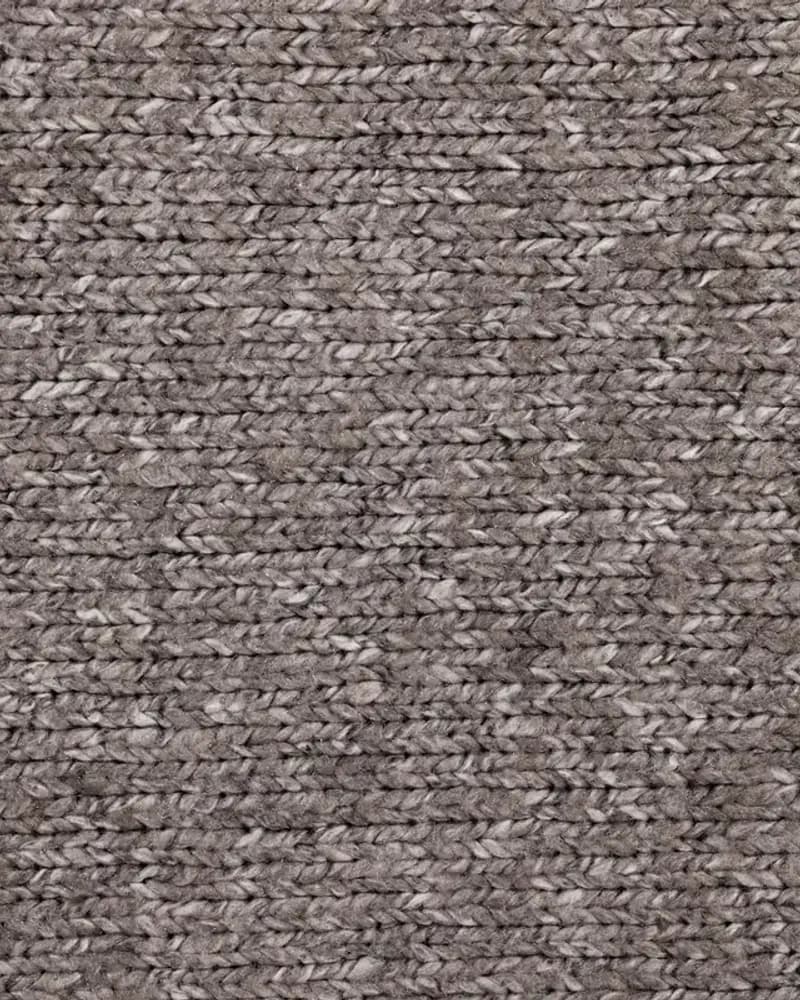
Chenille Chenille's tufted yarn makes a soft, thick and very durable cloth. It is the most popular fabric for family sofas: it creases less, hides marks well and looks calm in natural, earthy colours.
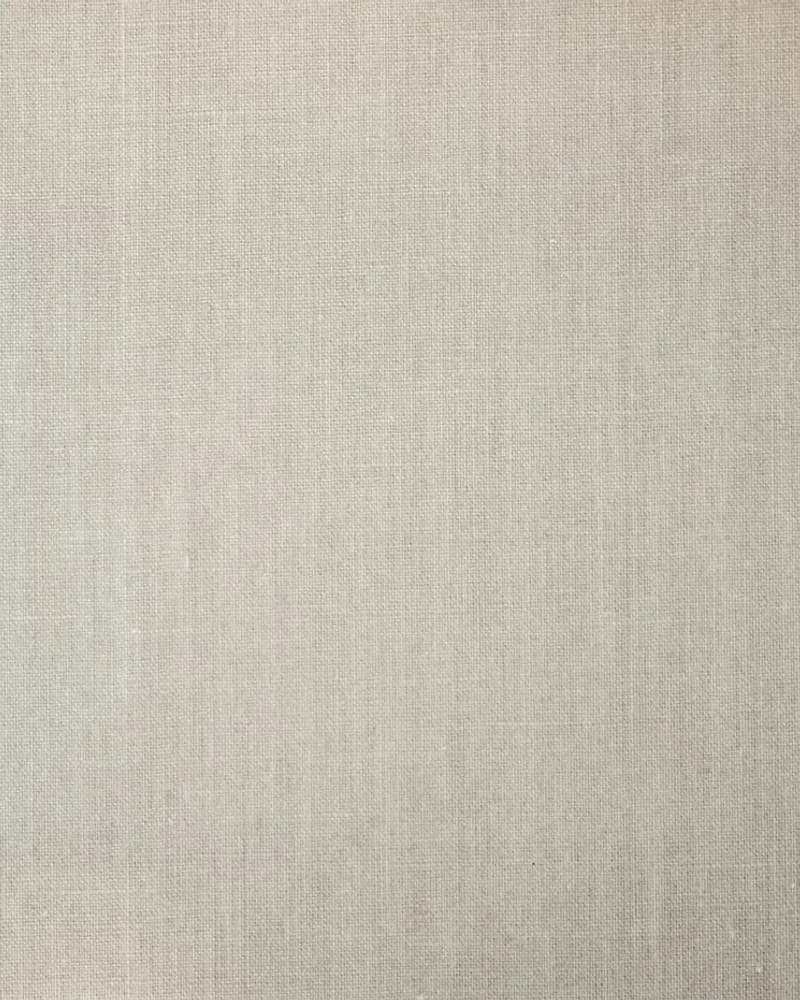
Linen and linen-look Linen's natural, matte weave suits minimal and Scandinavian interiors. Pure linen creases, so we mostly use linen-look blends with polyester that keep the look and last longer.
Bouclé Bouclé's looped, textured weave resembles sheep's wool and has become a favourite for modern furniture, especially curved sofas and lounge chairs. It is not recommended in homes with cats, as the loops can snag.
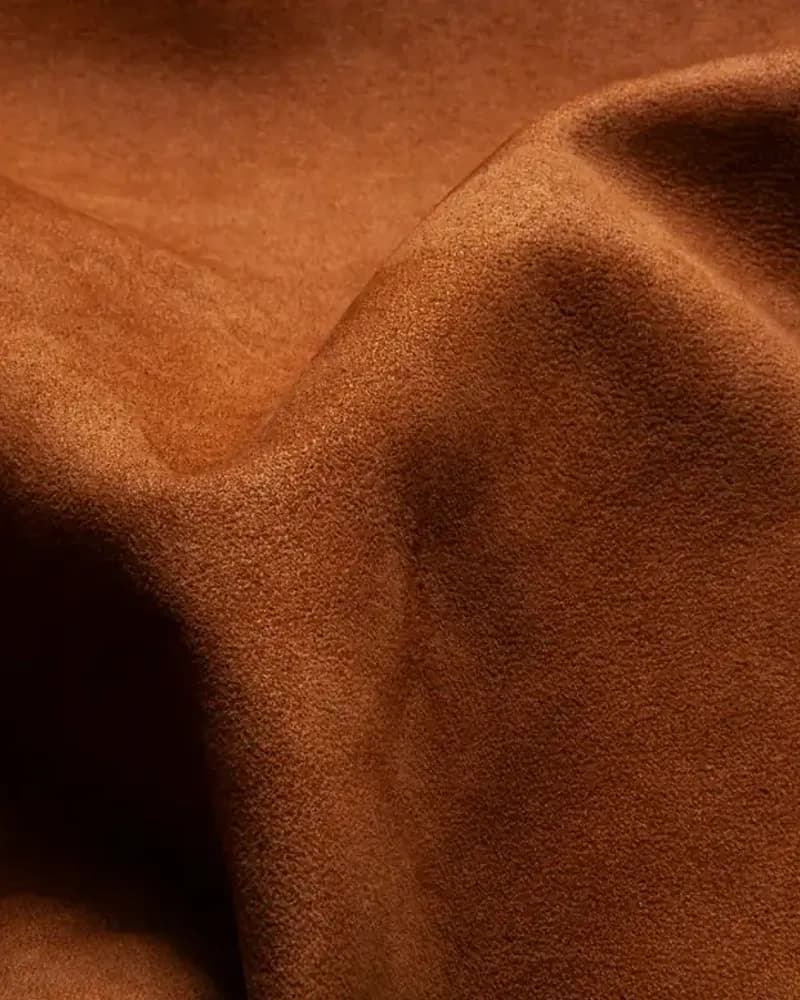
Suede Faux suede has a soft, velvety feel and a warm look, with good durability. It suits cosy living rooms.
Leather and faux leather Real leather improves with age and is easy to wipe clean, but it costs more. Good faux leather looks similar, is even easier to maintain, and is a sensible choice for homes with children.
Fabrics for children and pets
- Tight weaves without loops, such as chenille, suede and microfibre
- Mid-tones (grey, dark beige, taupe, olive) that hide marks and hair
- Stain-resistant or nano-coated fabrics
- Avoid bouclé and long-pile fabrics if you have cats