Fabric, wood & materials
The Best Sofa Fabric: Velvet, Linen, Chenille, Suede, Bouclé and Leather Compared
Fabric shapes how a sofa looks and takes the most wear. We compare velvet, chenille, linen, suede, bouclé, jacquard and leather for durability, care, looks and everyday use.
By The Mahd Mobl workshop· 7 min read· Updated
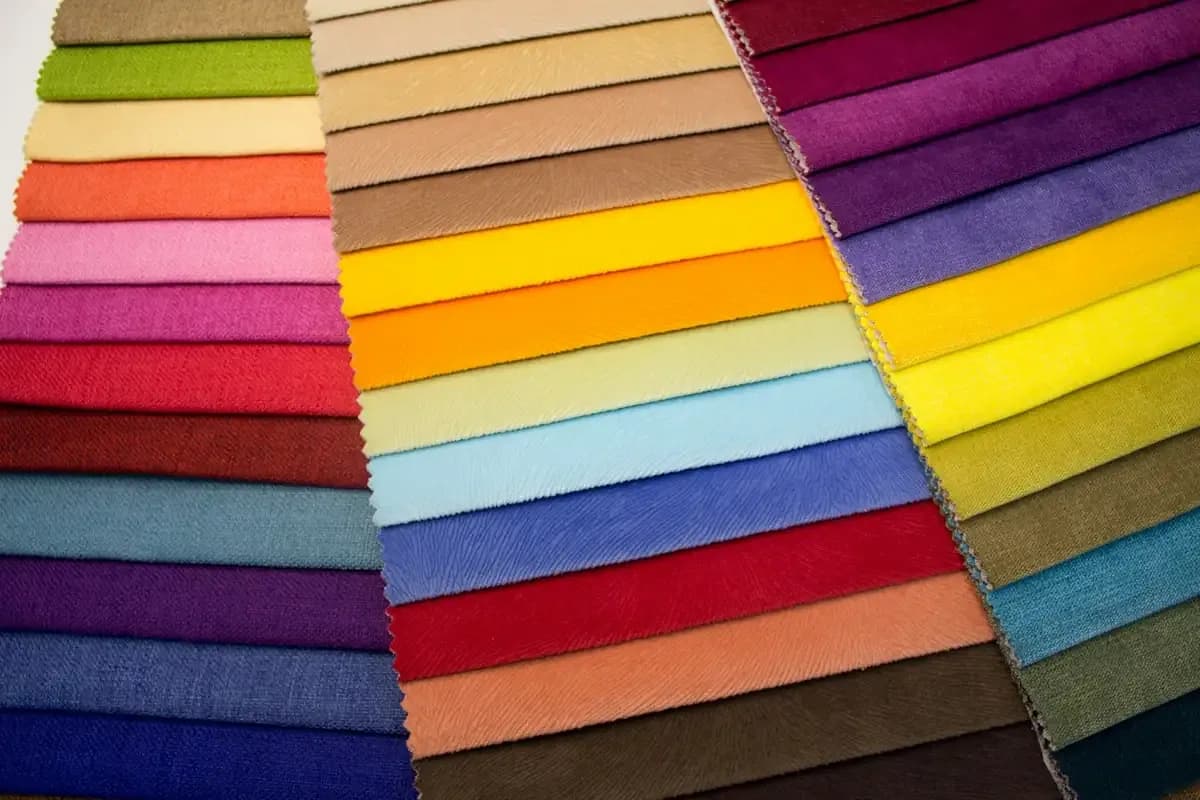
The question we hear most in our workshop is about fabric: "Which one is best?" The honest answer is that there is no single best fabric. The right one depends on your lifestyle, how the sofa is used, your decor and how much time you have for care. A fabric that's perfect on a classic sofa in a formal room can be a nightmare on a family sofa shared with two children and a cat. Here our upholsterers, who handle these fabrics every day, explain how each really behaves.

Criteria to consider first
Martindale (abrasion resistance). The fabric is rubbed by machine until it shows wear; the higher the number, the tougher the fabric. Under 10,000 cycles suits decorative cushions; 15,000–25,000 suits normal home use; over 25,000 suits heavy home use; over 40,000 suits hotels and cafés.
Stain and water resistance. Many modern fabrics have treatments that keep liquids on the surface long enough to blot them — invaluable with children.
Colour-fastness to light. If the sofa sits by a sunny window, choose a fabric that won't fade.
Pilling. Some fabrics form small bobbles over time; longer fibres and tighter weaves pill less.
Velvet
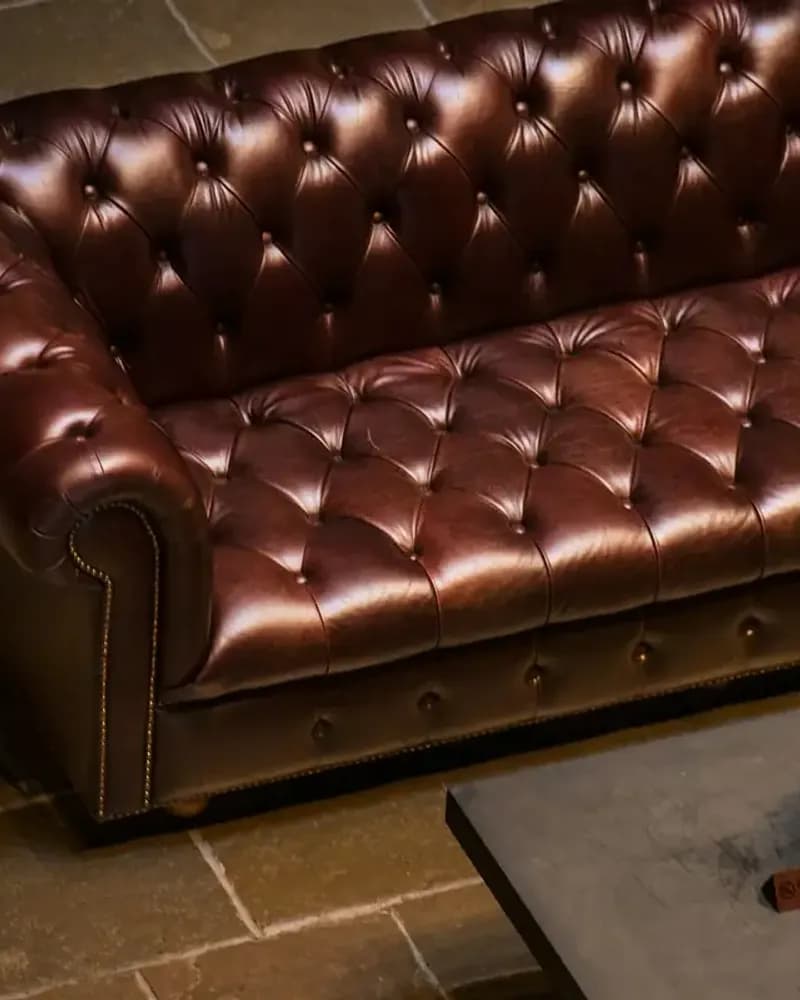
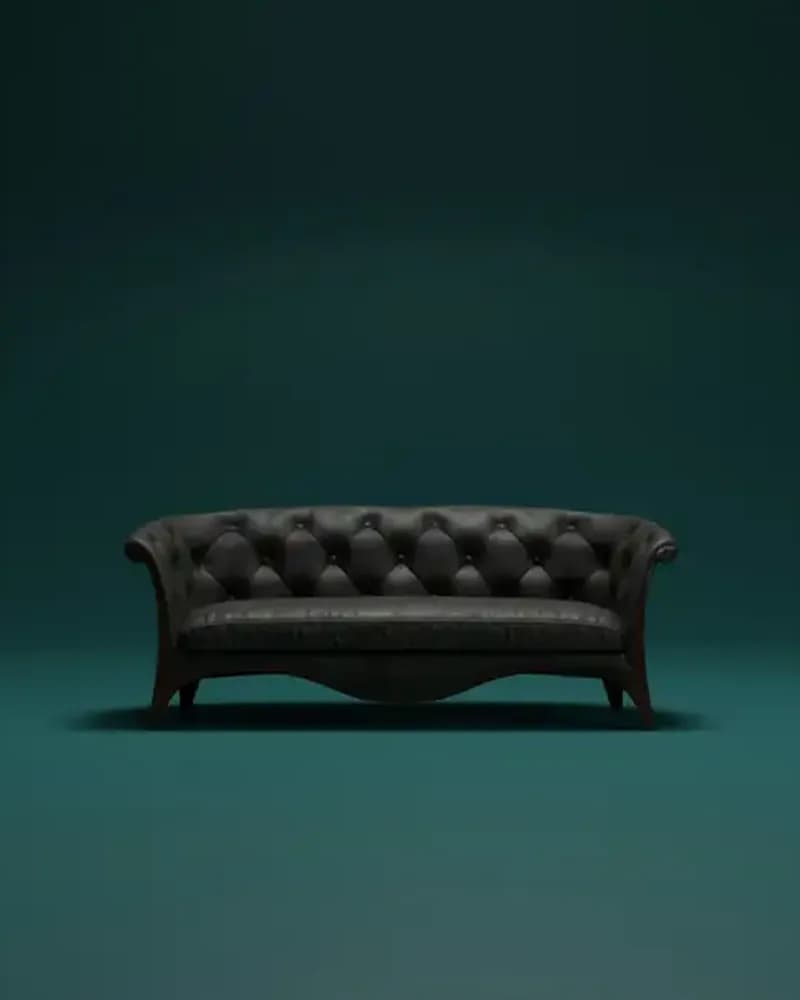
A short, dense pile with a soft touch and gentle sheen. Today's polyester velvets are far tougher than older ones. Luxurious and warm with deep colours; brush with the pile to clean; seats can leave temporary marks. Ideal for classic sofas and Chesterfields; pet hair shows easily. See the Venice velvet Chesterfield.
Chenille
Tufted yarns create a soft, slightly raised surface — one of the most popular sofa fabrics in Iran. Warm, less shiny than velvet, very durable and often stain-resistant: excellent for family sofas, sectionals and sofa beds. If in doubt, stain-resistant chenille is almost always a safe choice, as on the Sorena.
Linen and linen-look
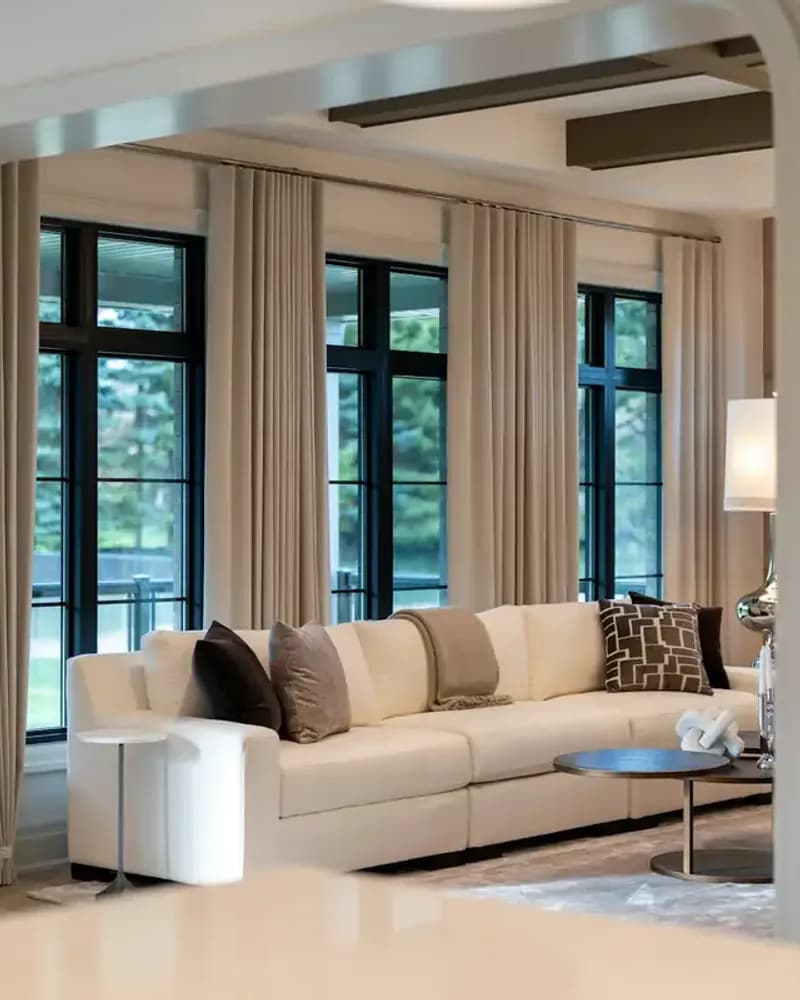
Natural linen has a visible weave and a calm look, but pure linen creases and stains easily, so furniture mostly uses linen-look blends that look like linen without creasing. Suited to bright, minimal and Scandinavian homes and warm climates.
Bouclé
Looped yarns create a textured, woolly surface — one of the most popular fabrics in recent interior design. Warm and contemporary, mostly in light neutrals. Loops can snag on claws or sharp objects, and stains take a little longer to lift. Best on curved sofas and armchairs in pet-free homes, like the Tina and Mahan.

Suede and microfibre
Real suede is the napped underside of leather; furniture mostly uses synthetic microfibre, which looks similar and is much easier to care for. Soft and matte, very durable, releases stains well and resists pet hair — great for homes with children and pets.
Jacquard
The pattern is woven into the fabric rather than printed, so it lasts through wear and cleaning. Classic florals, arabesques and geometrics — the traditional choice for royal and classic sofas.
Leather and faux leather
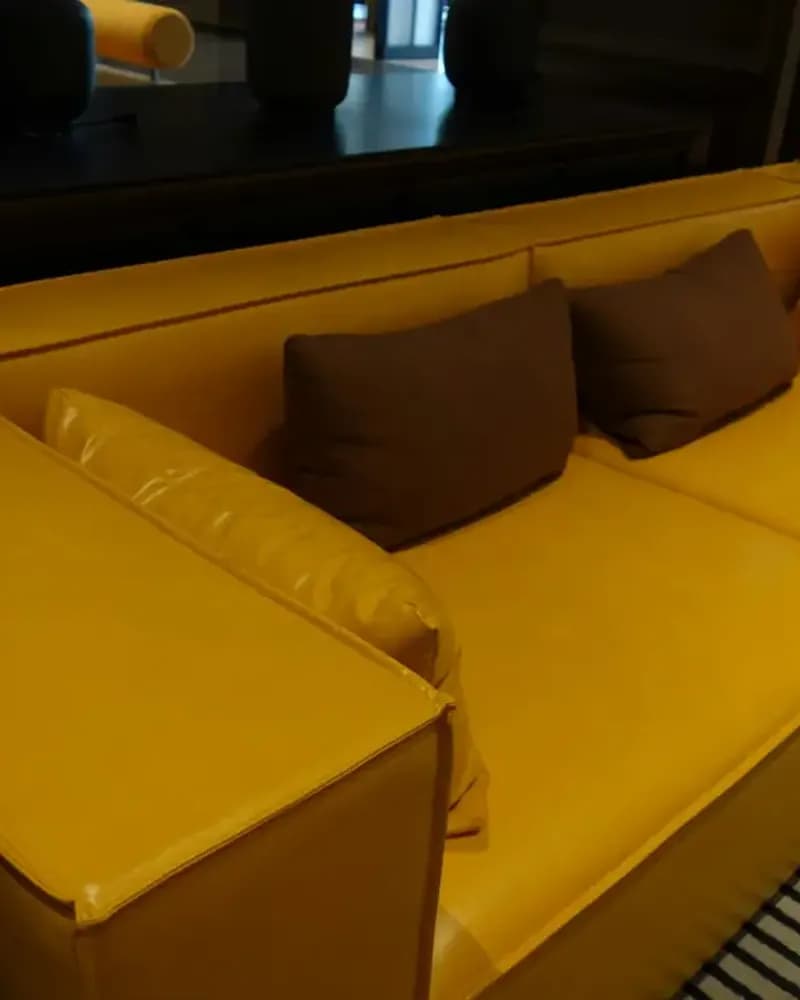
Real leather is very durable, ages beautifully and wipes clean, but it's expensive, scratches easily, needs conditioning, and feels warm in summer and cold in winter.
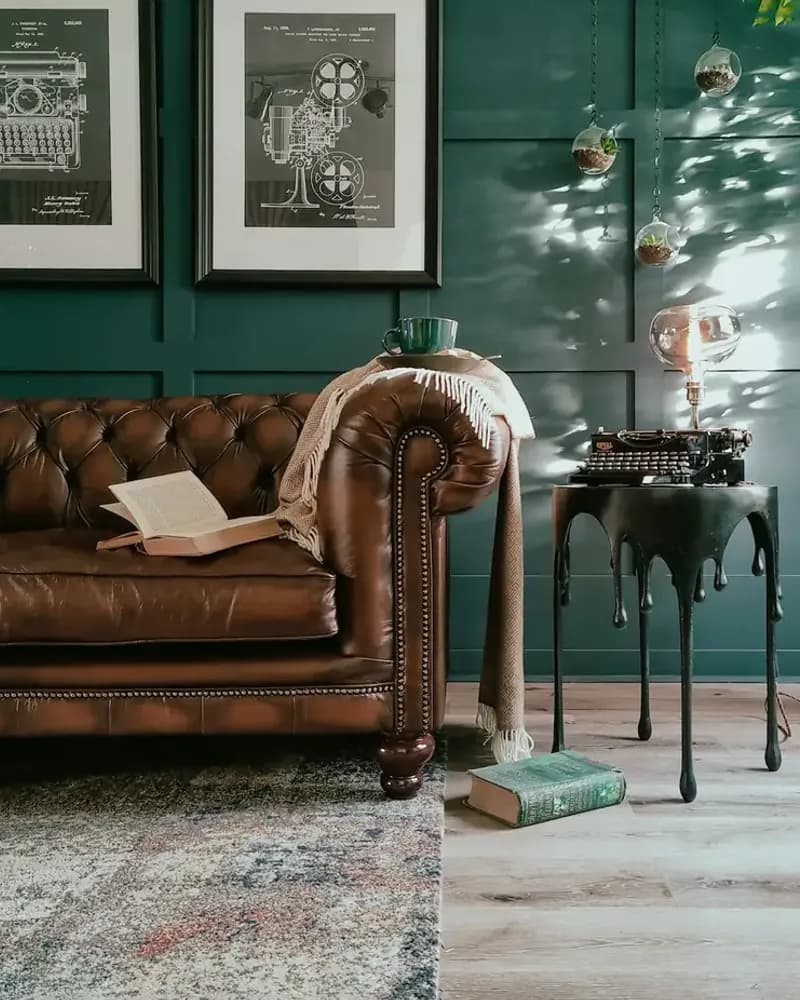
Faux leather with a fabric backing looks close to leather at a fraction of the price, wipes clean with a damp cloth and suits homes with pets. Cheap faux leather cracks and peels after a few years — always choose a thick, fabric-backed grade, like the one on our London Chesterfield.
Quick comparison
- Most durable for daily use: stain-resistant chenille, microfibre, thick faux leather
- Most luxurious: velvet, jacquard, real leather
- Coolest in summer: linen and linen-look
- Warmest in winter: velvet, chenille, bouclé
- Best with pets: microfibre and faux leather
- Best with children: stain-resistant chenille and microfibre
Choosing for your home
- With children: stain-resistant fabrics in mid-tones; removable covers help.
- With pets: avoid bouclé and loop weaves; choose microfibre or thick faux leather.
- Hot or humid climates: breathable linen-look and chenille are more comfortable than heavy velvet or leather; water-resistant fabrics prevent mould.
- Rarely used formal rooms: you can choose more delicate, luxurious fabrics.
Care
Vacuum weekly with a soft brush; blot stains immediately with a white cloth and lukewarm water (don't rub); test any cleaner on a hidden area first; keep the sofa out of direct sun. See our fabric and care guide.
Summary
For daily use and busy homes, stain-resistant chenille and microfibre; for splendour, velvet and jacquard; for light natural styles, linen-look and bouclé; and for pet owners, thick faux leather. Whatever you choose, ask about the Martindale count and stain resistance, and see a real sample or daylight photo before you buy.
Frequently asked questions
What is the most durable sofa fabric?
For daily use: stain-resistant chenille, microfibre and thick fabric-backed faux leather. A Martindale count above 25,000 indicates good durability.
What fabric suits a home with cats or dogs?
Microfibre and thick faux leather. Avoid bouclé and loop weaves that catch claws.
Does velvet get dirty quickly?
Modern polyester velvets are tough and brush clean, but pet hair and dust show more.
What is the Martindale number?
A measure of abrasion resistance. 15,000–25,000 cycles suits normal home use; over 25,000 suits heavy use.
Tags:sofa fabricupholsteryvelvet sofaPersian sofa
The Mahd Mobl workshop
Production team: joinery, upholstery and carving
Technical notes on wood, foam, upholstery and furniture care, from the people who build sofas every day.