Fabric, wood & materials
Signs of a Quality Sofa: 12 Simple Showroom Tests
How can you judge a sofa’s quality in a few minutes in a showroom? Twelve simple tests — from lifting a corner to checking the stitching, foam, springs, fabric, legs and warranty — from the craftsmen of our Malayer workshop.
By The Mahd Mobl workshop· 7 min read· Updated
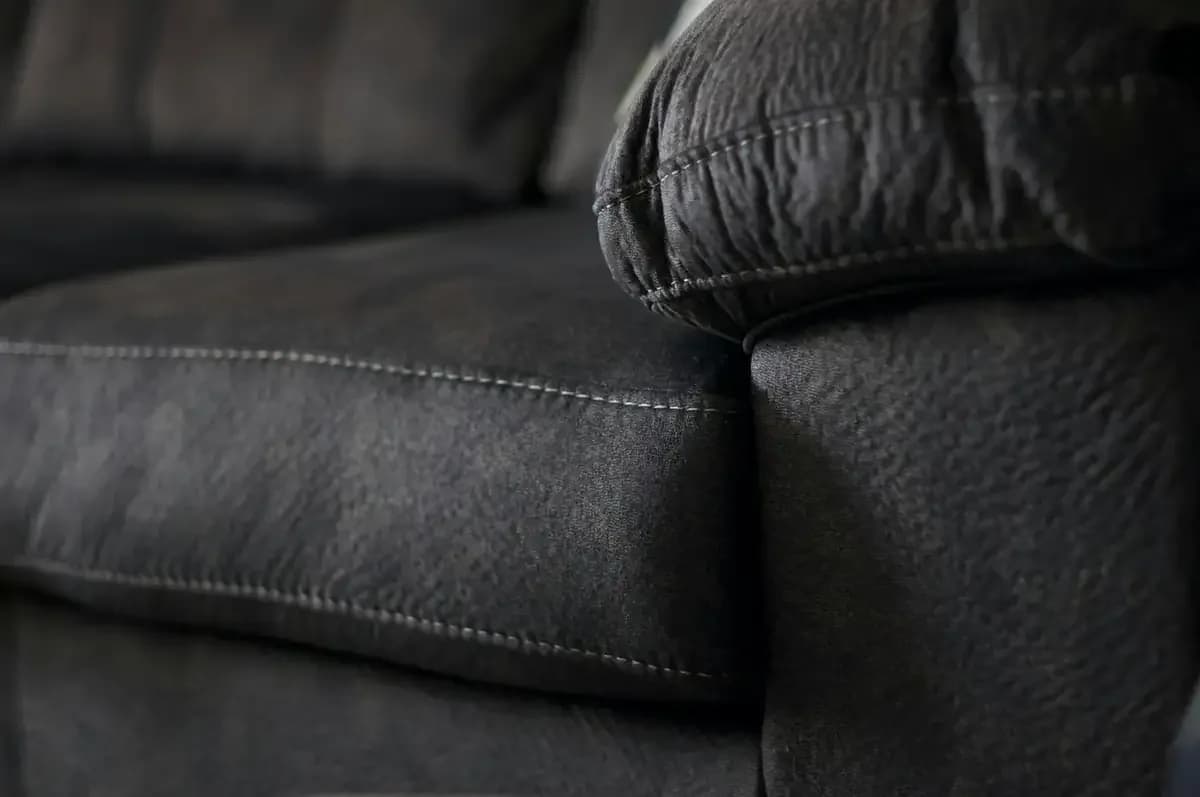
Picture two sofas side by side in a showroom: both attractive, the same colour and nearly the same shape. One costs twice as much. Is it really twice as good, or does it just carry a pricier brand and showroom? The answer lies beneath the fabric, where buyers rarely look. Here the craftsmen of our Malayer workshop — who build sofas and restore old ones every day — share twelve simple tests you can do in any showroom in a few minutes, without tools and without opening anything.

1. The weight test
Lift one end of a three-seater. A sofa with a hardwood (beech) frame and dense foam is heavy; a very light one usually has a particleboard frame, thin softwood or low-density foam. Weight isn't everything, but it's a good first sign.
2. The twist test
Lift one front corner 10–15 cm off the floor. If the other front leg rises almost at the same time, the frame is rigid. If the sofa twists and the other leg stays down, the frame or its joints are weak. This is one of the most reliable tests.
3. Arms and back
Pull the arms firmly forwards, backwards and outwards, and push the back from the top. There should be no play, movement or cracking. A loose arm means a weak joint that will worsen.
4. The sitting test
Sit and stand: the seat should recover within seconds; a lasting dent means low-density foam. There should be no creaking or spring noise, and you shouldn't feel wood, springs or boards through the foam. Sit for ten minutes — real comfort doesn't show in the first one.
5. The seat edge
Sit on or press the front edge of the seat. It should be firm and supportive; soft edges that collapse are the first place a sofa sags, especially where guests perch.
6. Webbing and springs
Lift a removable seat cushion and press the deck beneath. You should feel firm webbing or evenly spaced sinuous springs pushing back. A flat board or slack webbing means an early sag.

7. The zip test
If cushions have zips, open one slightly. The foam should be one even block with a neat fibre wrap; shredded or pieced foam is a cost-cutting sign, and yellow, dry foam may be old. See what foam density means.
8. Seams and stitching
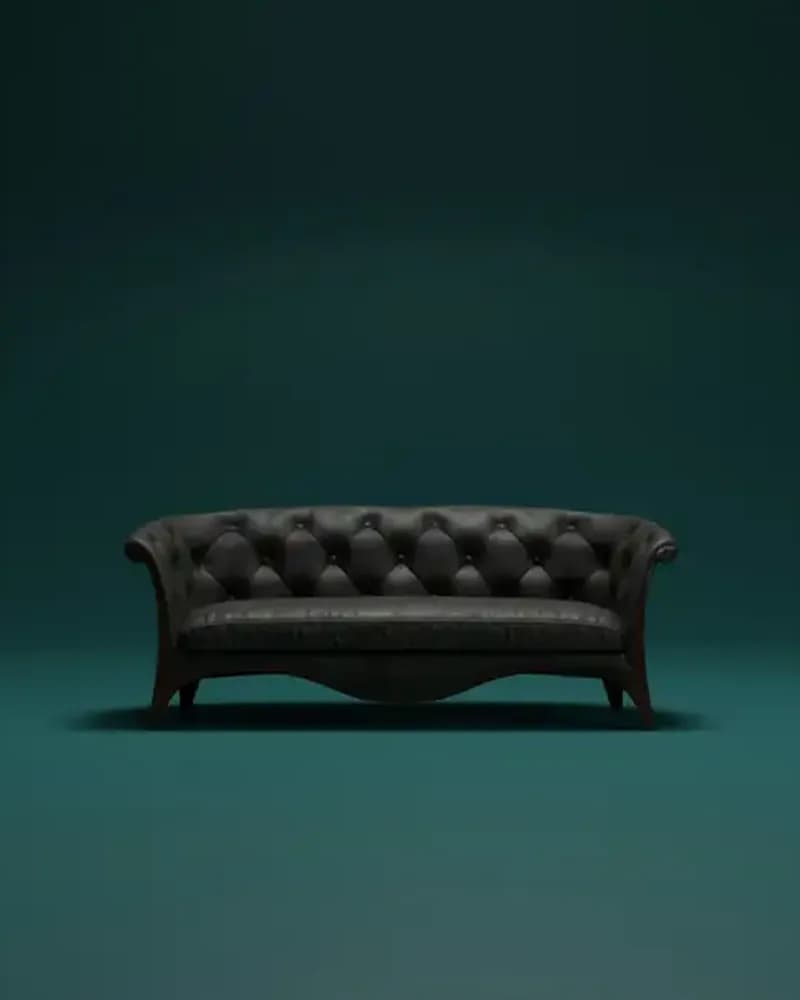
Seams should be straight and even with no loose threads; patterns and stripes should match across seams; piping should lie flat; on buttoned sofas, pleats should be neat and aligned and buttons firm — as on our hand-tufted London Chesterfield.
9. The fabric
Pull it: it should be firm and the weave shouldn't open. Rub it hard with your palm: no pilling. It should sit smooth and taut on the frame, neither loose nor straining at the seams. Ask for the composition, Martindale count and stain resistance. See the best sofa fabrics.
10. Legs and underside
Tilt the sofa and look underneath. Legs should be bolted with reinforcing plates, not a single wood screw; three-seaters and larger need a centre leg; the underside should be neatly covered. If the dust cover is loose, look at the frame: wood or particleboard?
11. Symmetry and detail
Step back: are the arms equal, the cushions matched, the lines straight? On classic sofas, is the carving clean and the finish bubble-free? Small details reveal the care in the whole piece — look at the Parnian with this eye.
12. The question test
The best test is to ask. A reputable seller answers precisely: what wood is the frame, and was it kiln-dried? What density and type is the seat foam? Webbing, springs or both? What fabric and Martindale count? What does the warranty cover, and for how long? Vague answers like "good wood" or "top-grade foam" are a warning.
The warranty
A long frame warranty (such as five years) and separate cover for springs, webbing and mechanisms show the maker's confidence. Get it in writing and read the scope — see our warranty.
Warning signs
An unusually low price; a sharp chemical smell from foam or glue; no answers to technical questions; no written warranty; a showroom sample that already sags or looks tired after a few weeks on display.
Summary
Judge a sofa beneath its fabric: frame weight and rigidity, foam recovery, a firm seat edge, webbing and springs, stitching, fabric, legs and detail. Above all, ask — a maker confident in their work gives exact specifications and a written warranty. For the whole process, read our complete sofa buying guide.
Frequently asked questions
How can I tell if a sofa frame is strong?
Lift one front corner; if the other rises too, the frame is rigid. Arms and back should have no play.
What are signs of poor foam?
A seat that doesn’t recover after you stand, soft collapsing edges, and shredded or pieced foam inside cushions.
Is a heavier sofa always better?
Not always, but hardwood frames and dense foam are heavier, and a very light sofa may have a weak frame.
What warranty should a good sofa have?
A multi-year written frame warranty (such as five years) plus separate cover for springs, webbing and mechanisms.
Tags:quality sofasofa buying guidehandmade Persian furniture
The Mahd Mobl workshop
Production team: joinery, upholstery and carving
Technical notes on wood, foam, upholstery and furniture care, from the people who build sofas every day.