Buying guides
The Complete Sofa Buying Guide for 2026: From Choosing a Model to Care
What should you weigh up before buying a sofa? This guide walks you step by step from measuring your room and choosing a style to checking the frame, foam and fabric, comparing prices, paying in installments and caring for your sofa.
By Mahd Mobl editorial team· 8 min read· Updated
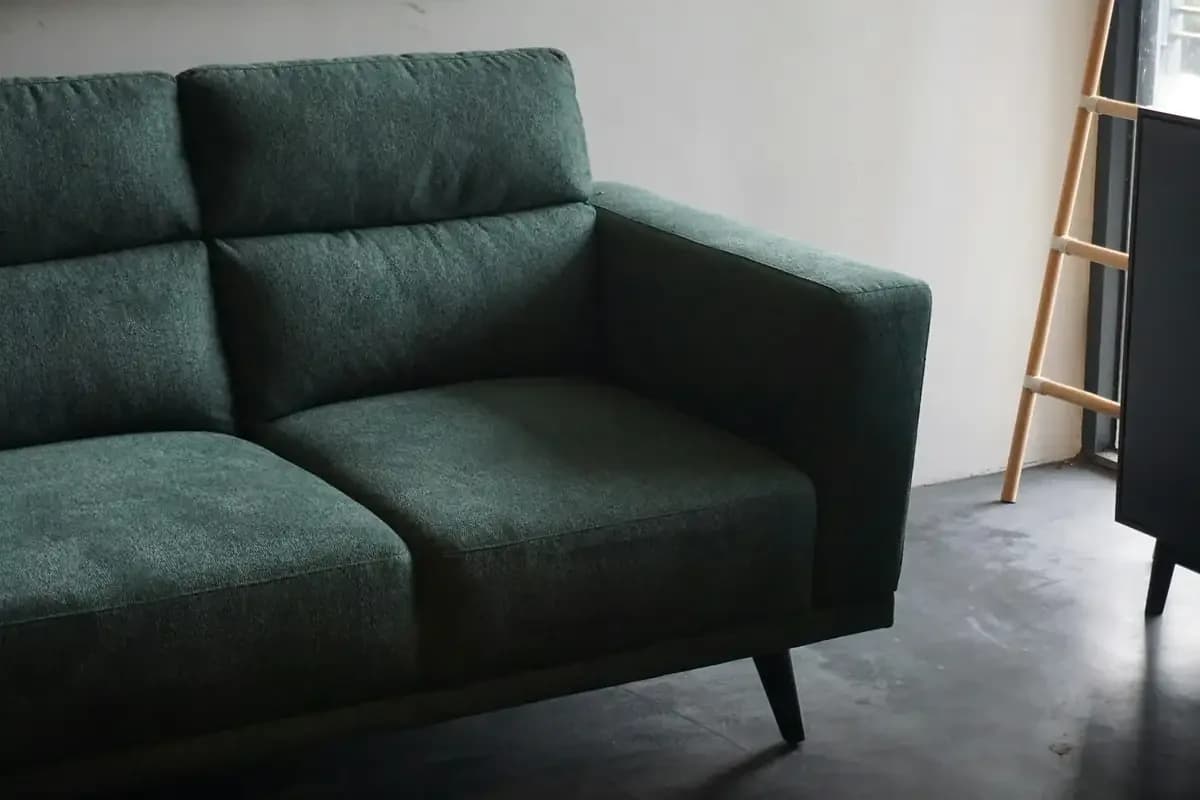
For most families, a sofa is a purchase made once every ten to fifteen years. The sofa you choose today will be seen by you and your guests every day, sat on every evening, and must stay sound and shapely for years. Yet many of us buy a sofa from a single glance in a showroom and discover a few months later that the seat has sagged, the fabric has pilled, or it simply doesn't fit the room.
This guide comes from the daily conversations our sales team and workshop craftsmen in Malayer have with buyers across Iran and beyond. We've tried to explain, in order and in plain language, everything you should know before buying — from measuring your living room to what to check on delivery day.

Step one: measure the room before you look at any sofa
The most common mistake is choosing a model before understanding the space. Take a tape measure and note:
- The length and width of the living room
- Windows, radiators, air-conditioning units and sockets
- The width of the front door, hallway and lift, and the size of stair landings
- Where the television goes and the main walkways
A simple rule: leave 40–45 cm between the sofa and the coffee table and keep walkways at least 70–90 cm clear. In a small room, a sofa with slim arms and taller legs makes the space feel lighter.
Workshop tip: mark the sofa's footprint on the floor with masking tape and live with it for a day or two. You'll quickly know whether you need something larger or smaller.
Step two: decide how the sofa will be used
A sofa for a formal reception room that guests use a few times a month has different needs from one the family watches films on every night. Ask yourself:
- How many people will use it daily? Everyday use calls for denser foam and tougher fabric.
- Do you have children or pets? Stain-resistant fabrics, mid-tone colours and removable covers make life easier.
- Will it double as a guest bed? Then take a sofa bed seriously.
- Do you prefer to lounge or sit upright? A seat depth of 55–62 cm suits lounging; less suits formal sitting.
Step three: match the style to your home
The sofa's style should suit your architecture, flooring, curtains and everyday taste. The main styles you'll find:
Modern sofas
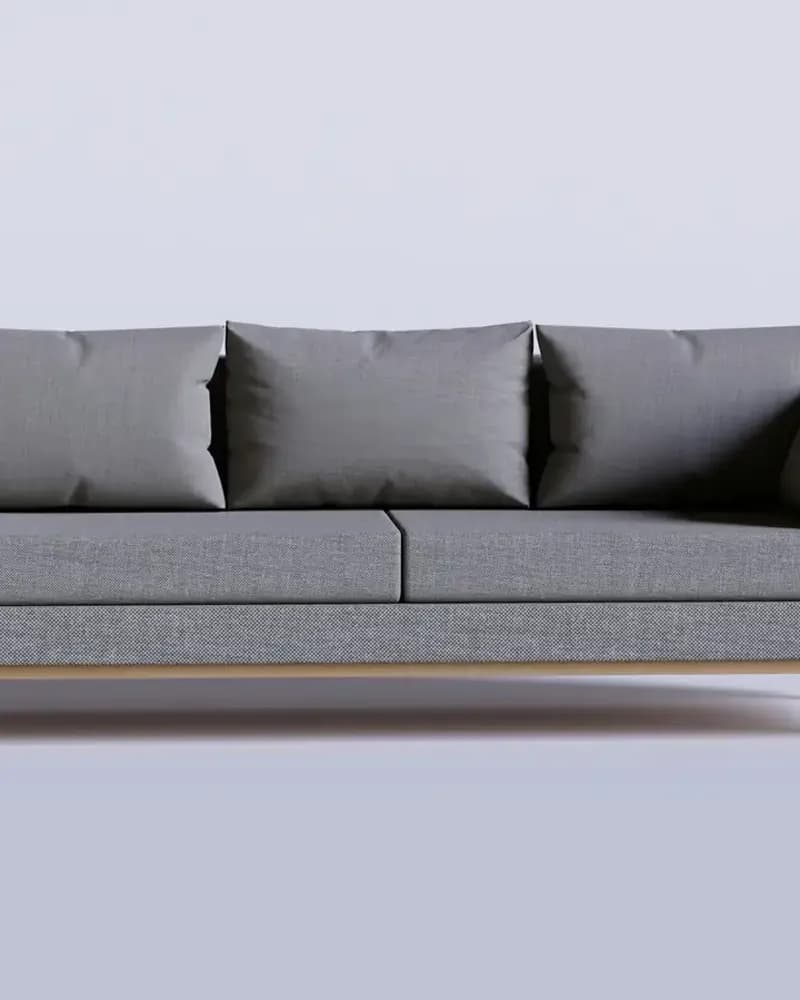
Clean lines, plain fabrics and wooden or metal legs — ideal for contemporary apartments and families who put comfort first. See our sofas collection.
Sectionals
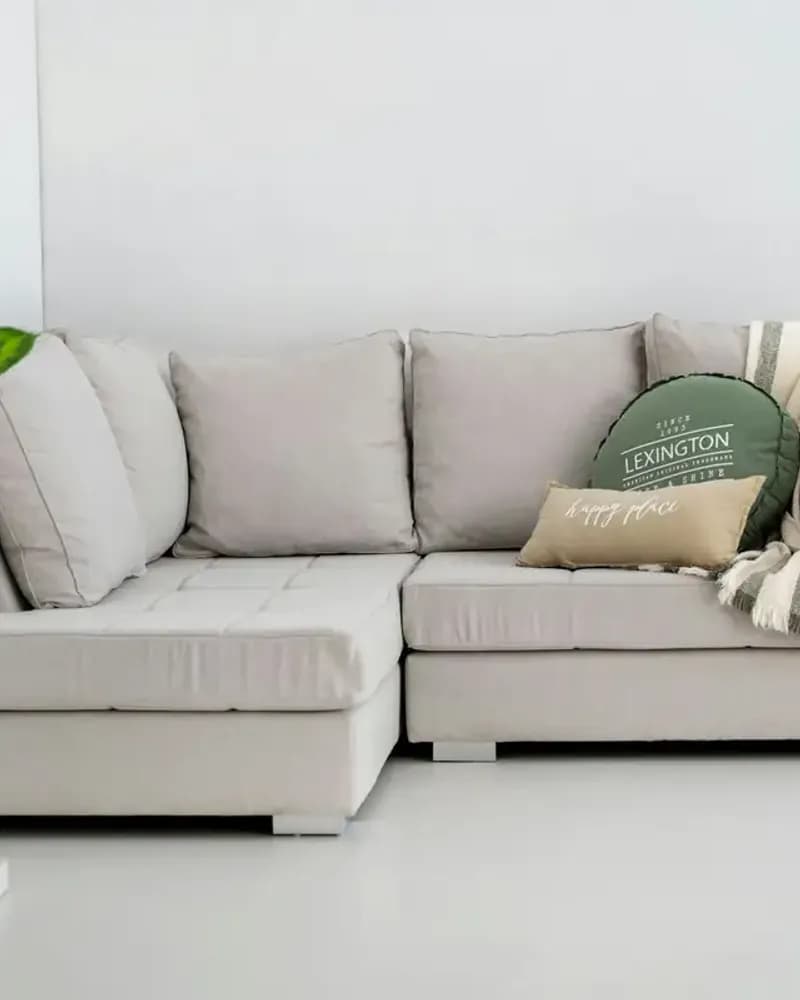
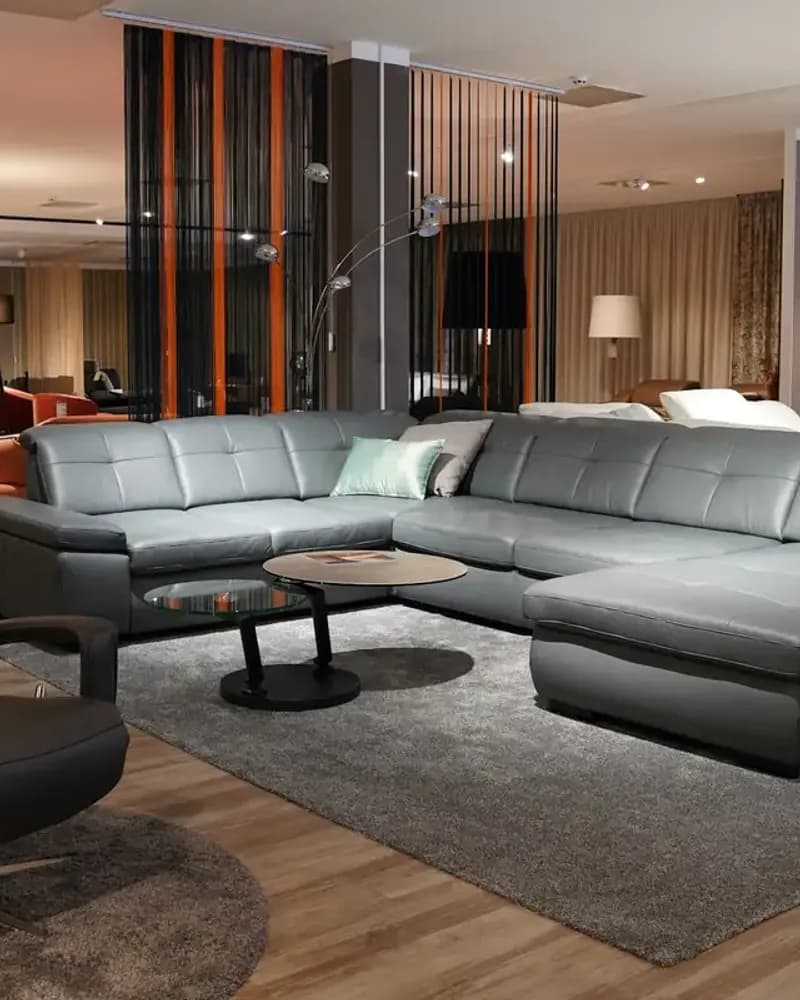
For family rooms and living rooms with a free corner, a sectional offers more seating in less floor area.
Classic and royal sofas
Hand carving, gold or champagne finishes and jacquard or velvet upholstery, for formal reception rooms and classic interiors. Our classic and royal range remains one of the most popular choices for bridal furnishing.
Chesterfields
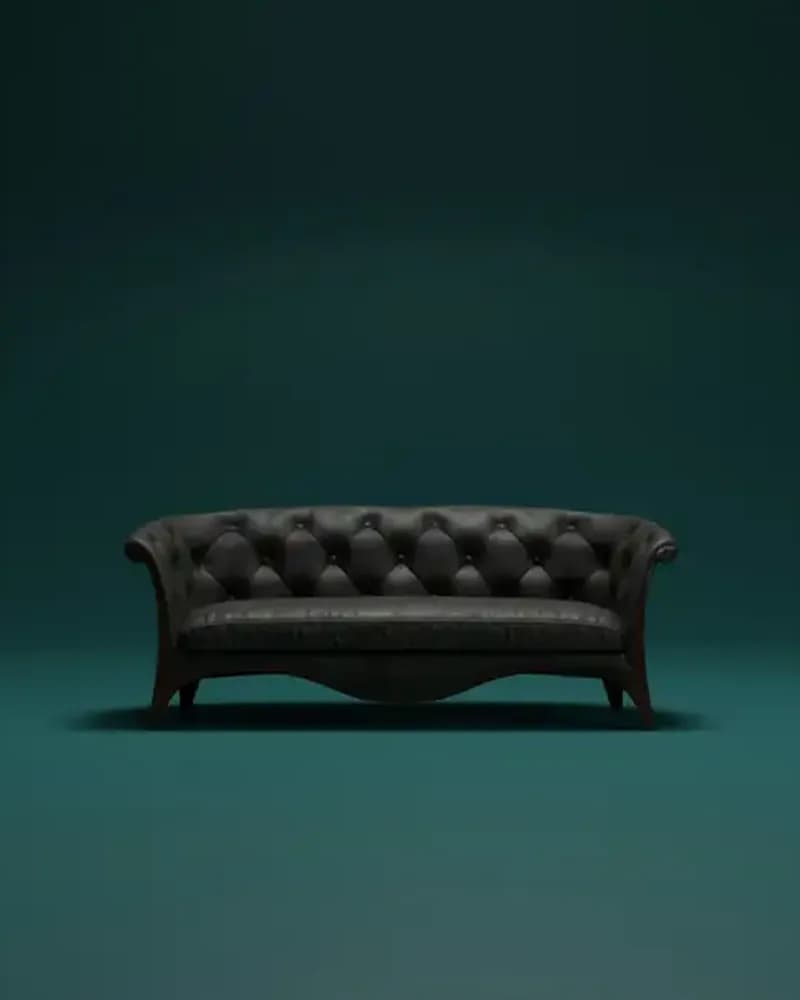
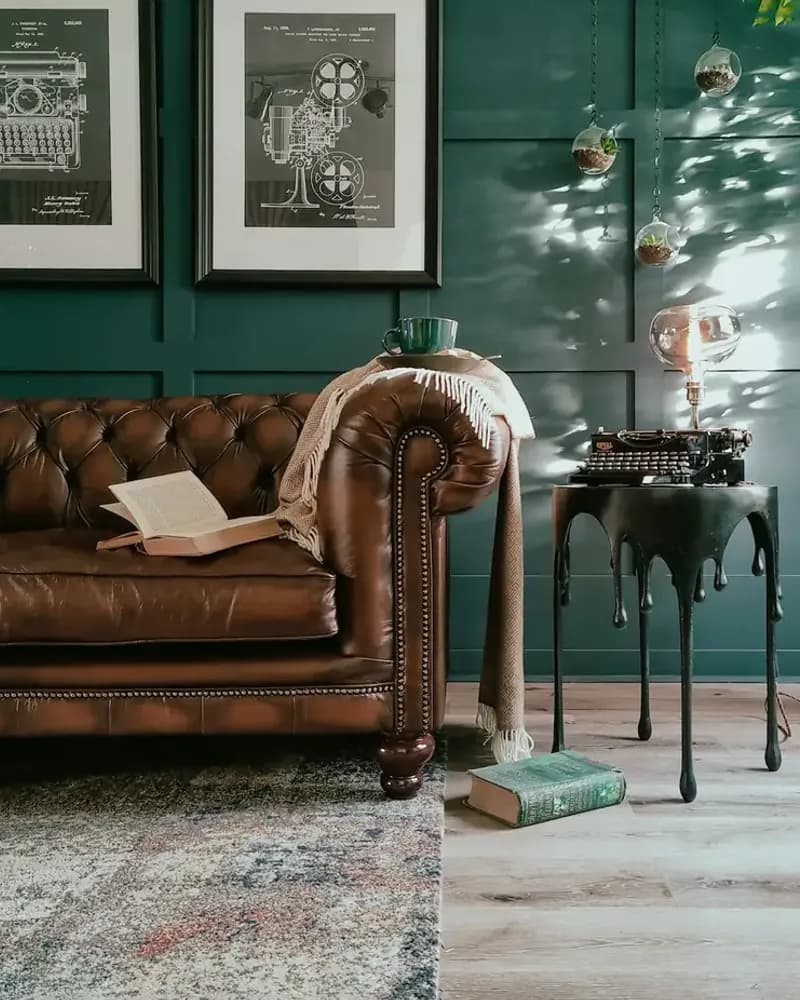
With deep buttoning and rolled arms, a Chesterfield fits both classic and modern rooms and makes a statement.
For a fuller overview, read types of sofas and what each is for.
Step four: judge quality beneath the surface
Two sofas can look identical, yet one lasts ten years and the other two. The difference lies in three hidden parts: the frame, the seat suspension and the foam.
The wooden frame
The best frames are made from kiln-dried beech, or beech combined with pine. Wood that hasn't been properly dried warps within months and creaks. Ask what the frame is made of and whether it was kiln-dried.
Webbing and springs
Beneath the foam there is usually elastic webbing or sinuous (zigzag) springs. The combination of both gives a seat that holds its shape and lasts. Sofas built on boards or cheap webbing alone sag quickly.
Foam
Foam density is the single most important factor in how long the seat keeps its shape. For an everyday sofa seat, cold-cure foam of 35 kg/m³ or more is appropriate. Low-density foam feels soft and pleasant at first but loses its shape quickly. Read what foam density means.

Step five: choose fabric for the life you live
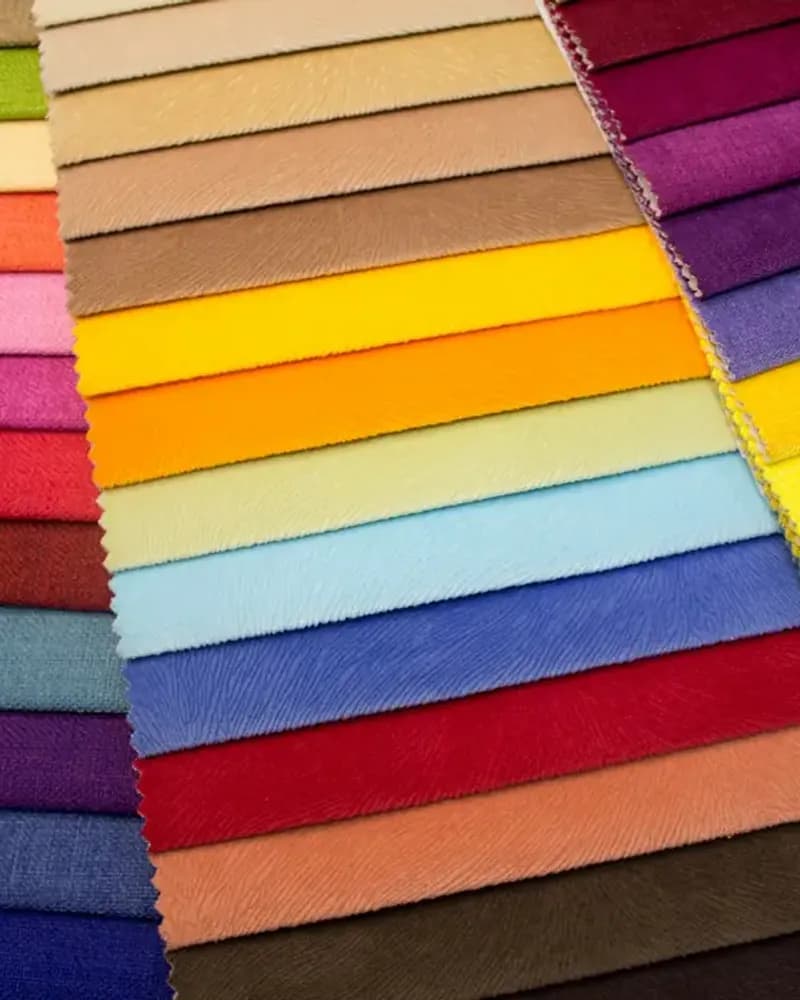
Fabric creates the sofa's look and takes the most wear. The main choices:
- Velvet: luxurious and warm, ideal for classic sofas and Chesterfields. Modern short-pile velvets are tougher than they used to be.
- Chenille: soft and durable — excellent for daily use.
- Linen and linen-look: natural and cool, suited to bright, minimal homes.
- Bouclé: a warm, looped texture, very popular in contemporary design.
- Faux leather: easy to clean and practical for homes with pets.
Ask for the Martindale rub count too; for everyday domestic use, 20,000 cycles or more is appropriate. See the best sofa fabrics and our fabric and care guide.
Step six: choose colour wisely
The sofa is the largest block of colour in the room. If you're unsure, choose a neutral — beige, grey, cream or earth — and bring colour in through cushions, curtains and rugs, which are easier to change. In busy homes, very light colours look dirty quickly and very dark ones show dust and pet hair.
Step seven: compare prices properly
A sofa's price depends on many factors: the wood, foam density, fabric, the amount of handwork (such as carving or buttoning) and the seller's margin. When comparing:
- Put the specifications side by side, not just the photos.
- Ask whether the price includes cushions, tables or delivery.
- Compare warranty length and coverage.
- Be wary of very low prices — the saving usually comes from somewhere hidden, like the frame or foam.
Buying directly from the maker removes middlemen's margins, which is why so many buyers choose to buy furniture from Malayer.
Step eight: payment and installments
If you'd rather not pay the full amount at once, installment options are available at checkout. Compare fees, the number of payments and any down payment before choosing. Full details are on our installments page.
Step nine: buying online with confidence
Buying a sofa online can be convenient and economical if you check the seller's trust credentials, read dimensions and specifications carefully, ask for real photos and video, and understand the return and warranty terms before paying.
Step ten: what to check on delivery day
- Before signing the delivery note, check the packages for dents and tears.
- Unwrap the sofa and inspect seams, fabric, legs and finish.
- Sit on it: there should be no creaking or wobble.
- Photograph any fault, note it on the delivery note and tell the seller the same day.
See shipping and delivery for details.
Step eleven: care is the secret to a long life
- Keep the sofa out of direct sunlight and away from heaters.
- Rotate seat cushions every few weeks so they wear evenly.
- Vacuum weekly with a soft brush attachment.
- Blot stains immediately with a white damp cloth, without rubbing hard.
Common mistakes we see
Over years of talking with buyers, we've seen a few mistakes again and again:
- Buying in a rush before an occasion: many people start shopping a few weeks before a wedding or Nowruz and settle for whatever is in stock. If you want a made-to-order piece, allow one to two months.
- Ignoring the route into the home: a beautiful sofa that won't fit through the lift door is no use. Modular sofas or models with detachable backs cause fewer problems in older buildings.
- Choosing from photos alone: studio lighting and screen settings change how fabric colours look. Always ask for real photos or video in daylight.
- Buying a full set you don't need: not every room needs a nine-seat set. Sometimes a good three-seater with two contrasting armchairs creates a livelier, more practical space.
- Forgetting extra costs: budget for delivery, carrying upstairs and a coffee table from the start.
Summary
A good sofa purchase starts with accurate measuring, continues with understanding the quality beneath the surface, and ends in years of satisfaction through proper care. If you're still unsure which model suits your home, use our free design consultation: send photos and measurements of your room and our team will make specific suggestions.
Frequently asked questions
When is the best time to buy a sofa?
Quieter seasons such as late summer and early autumn usually offer better room for negotiation and faster delivery. Before Nowruz and during wedding season, made-to-order lead times get longer.
How long does a good sofa last?
A sofa with a kiln-dried frame, dense foam and durable fabric can last ten years or more with proper care, though you may need to replace the covers or seat foam once in that time.
Is buying directly from a manufacturer cheaper?
Usually, yes, because middlemen and city showroom costs are removed. Remember to include delivery costs in your comparison.
What foam density is right for a sofa?
For a sofa seat used every day, cold-cure foam of 35–40 kg/m³ is a good choice.
Tags:sofa buying guidePersian sofaMalayer furniture
Mahd Mobl editorial team
Sales and design specialists at Mahd Mobl Iran
Articles are written by our sales, design and workshop team, drawing on daily experience making furniture in Malayer and real questions from customers.