Buying guides
Types of Sofas and What Each Is For: Which Sofa Suits Your Home?
Three-seaters, sectionals, Chesterfields, sofa beds, loveseats, recliners and modular sofas — which suits which home and lifestyle? We introduce each type with its strengths and limits.
By Mahd Mobl editorial team· 7 min read· Updated
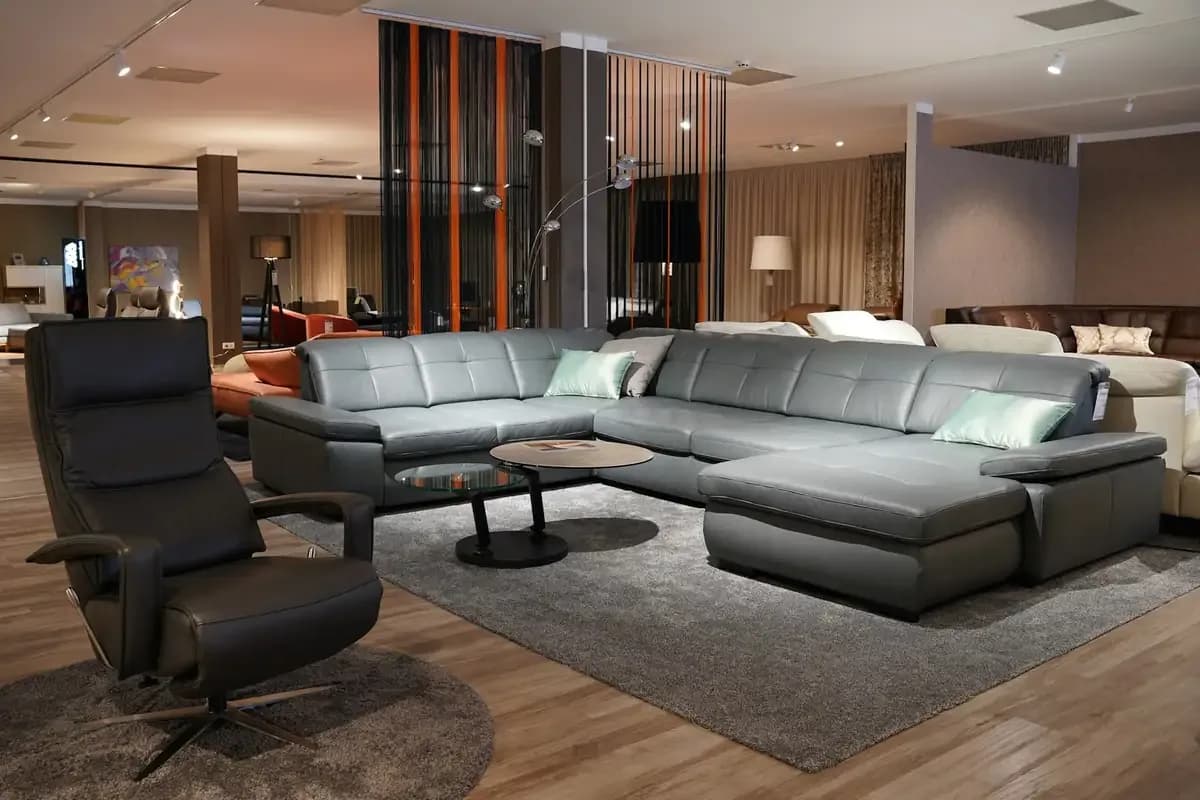
Walk into a showroom or open an online store and you'll meet a lot of names: sectional, Chesterfield, loveseat, modular, chaise, recliner, sofa bed. Each is designed for a particular need, and choosing well depends on understanding the differences. Here we introduce each type — what it offers, which home it suits, its limits and what to check when buying. If you're just starting out, read our complete sofa buying guide too.

Sofas versus classic furniture
"Sofa" here means seating whose back, arms and seat are fully covered in foam and fabric and designed above all for everyday comfort. Classic furniture, by contrast, has exposed carved wooden frames and is intended mostly for formal reception rooms. Neoclassical pieces blend the two. See classic sofa styles.
1. The three-seater
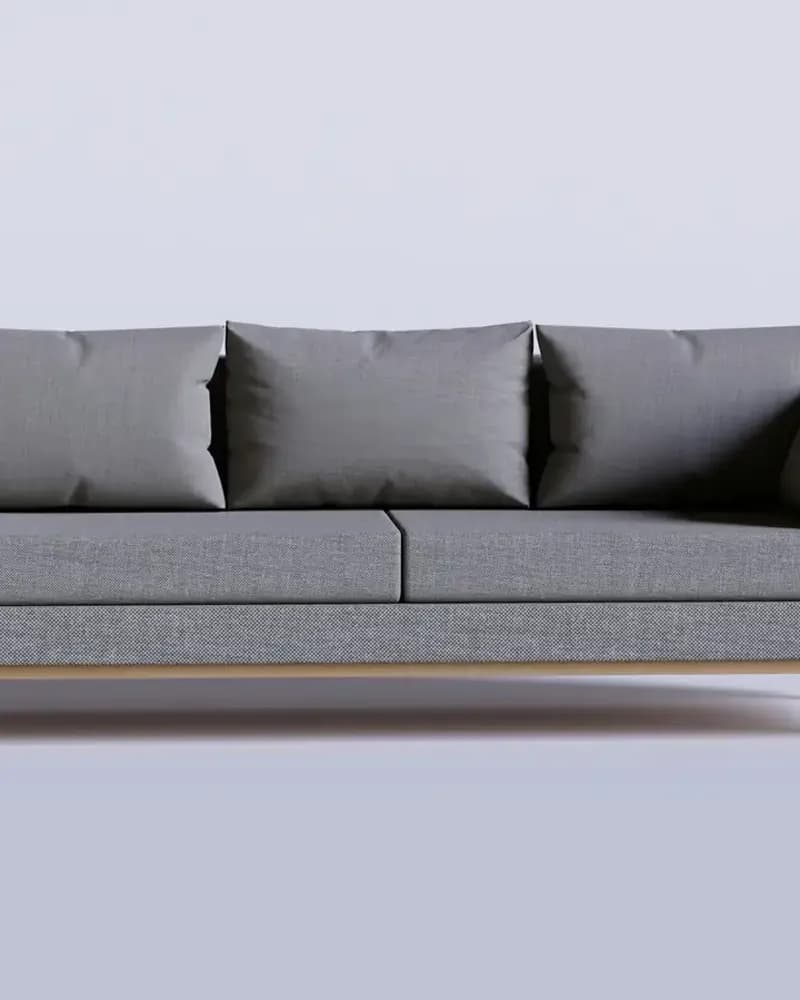
The most common form, about 190–220 cm long, seating three comfortably. It's highly flexible: alone, with two armchairs, or facing another sofa. Removable seat cushions let you rotate them so they wear evenly. The Sorena is a versatile example.
2. Two-seaters and loveseats
At 140–170 cm, loveseats suit spaces without room for a big sofa — bedrooms, studies, hallways or window bays. In large rooms, a three-seater plus a two-seater makes a balanced layout. In small spaces, choose slim arms and raised legs. See our loveseats.
3. Sectionals
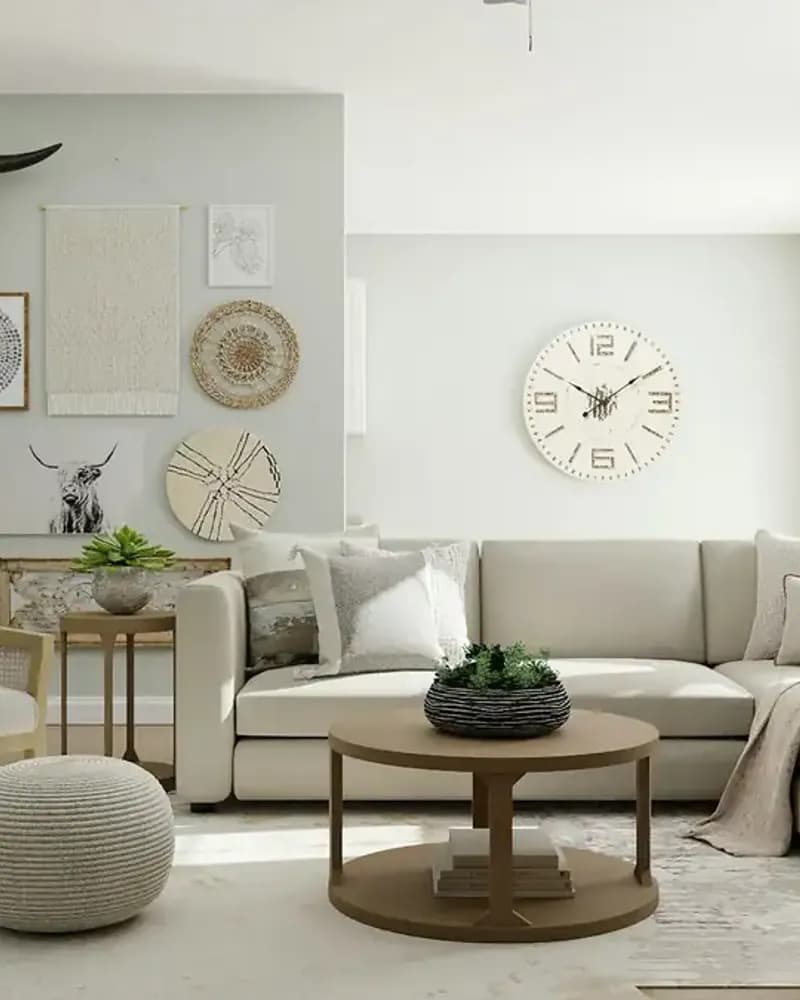
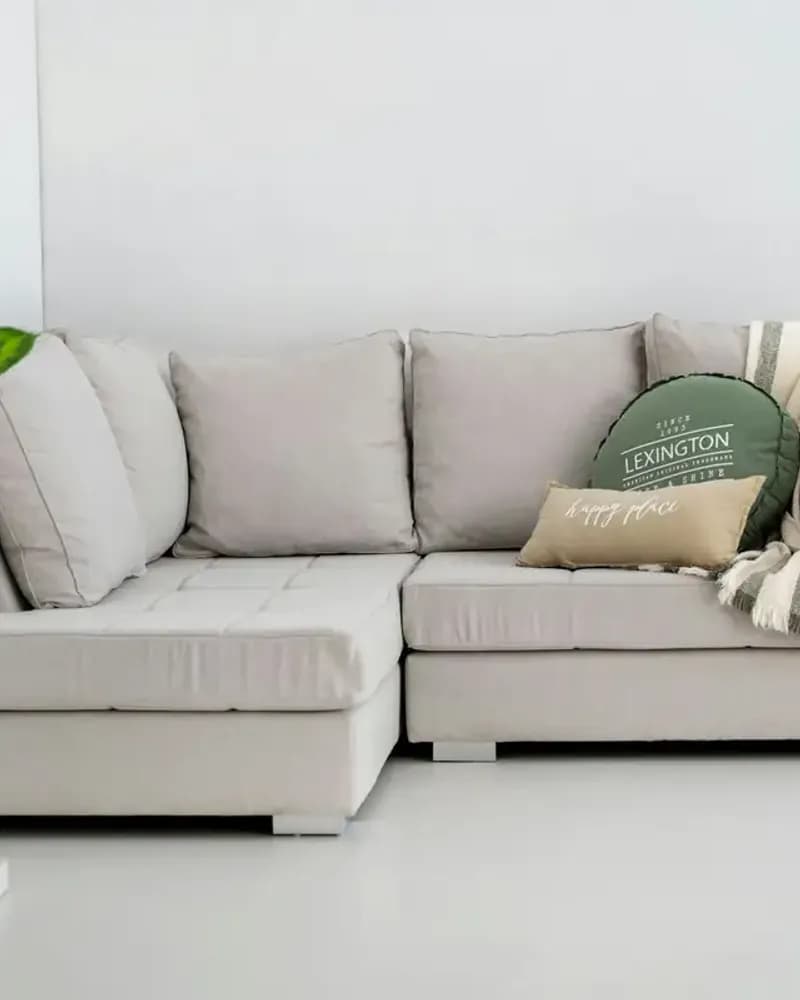
Two sides at right angles, usually in a corner. For the same floor area they seat more people than separate sofas and are very popular for family rooms. The limitation: less layout flexibility, and they may not fit a future home. See our sectionals.
4. Modular sofas
Several independent modules joined by hidden connectors, arranged as an L, a U, a straight run or two separate sofas — and extendable later. Ideal if you move often or have a small lift. Connections must be firm so modules don't drift apart; the Aramis uses hidden steel connectors.
5. Chaise sofas
A chaise is an extended section for stretching your legs out. Some sectionals use a chaise instead of a full second side — less floor space, more lounging comfort. Look for a chaise of at least 150 cm; storage chaises add hidden space.
6. Chesterfields
Recognisable by deep buttoning on the back and arms and rolled arms level with the back, the Chesterfield dates back to 18th-century England and suits classic, industrial and even modern interiors. Its lower, upright back is less suited to long lounging than a deep modern sofa.
7. Sofa beds
- Click-clack: the back folds flat to meet the seat. Simple and fast.
- Pull-out: a bed platform slides out from under the seat. Larger and more comfortable.
- Fold-out: a folded mattress opens from the seat — common in chair beds.
Check comfort as a sofa too — some models are good beds but poor seats. See the Parmis sofa bed.

8. Recliners
The back tilts and a footrest rises, by lever or motor. Mostly single chairs, though three-seaters with reclining ends exist. Great for films, rest and people with back pain; they need space behind them and are heavier and pricier.
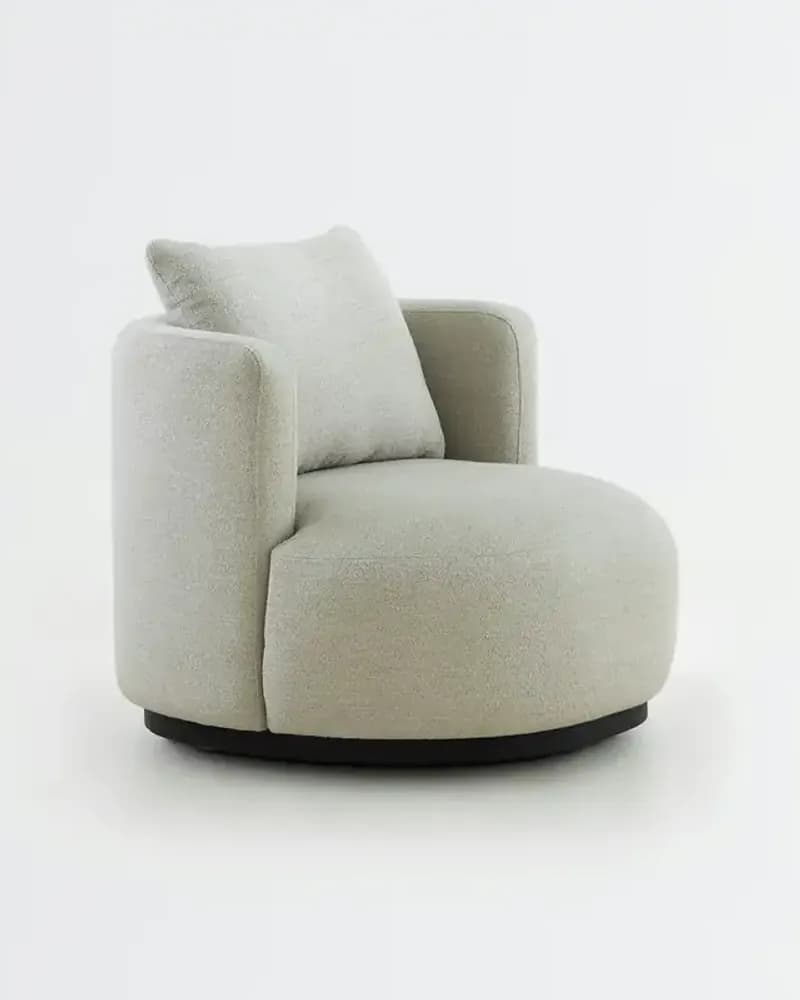
9. Armchairs
An armchair isn't just part of a set — a well-shaped one completes a reading corner, window bay or bedroom. Types include wingbacks, round club chairs, rocking chairs and Chesterfield armchairs. It needn't match the sofa; a contrasting colour or texture brings a room to life. See the Kian and our armchairs.
10. Ottomans and benches
Compact extra seating: a footrest or small table day to day, extra seats at gatherings.
Quick comparison
- Most layout flexibility: three-seaters and modular sofas
- Most seats per square metre: sectionals
- Best for small homes with guests: sofa beds
- Best for rest and films: chaise sofas and recliners
- Most character: Chesterfields
- Best for small corners: armchairs and loveseats
Choosing by room size
- Under 15 m²: a compact loveseat or three-seater with one armchair, or a small corner sectional.
- 15–25 m²: a medium sectional, or a three-seater, two-seater and armchair; modular sofas offer the most flexibility.
- 25–35 m²: a large chaise sectional or a seven-seat set, possibly split into conversation and TV zones.
- Over 35 m²: a U-shaped layout, a nine-seat set, or classic seating for receptions plus a comfortable sofa for family use.
Ergonomics: a sofa that is kind to your back
- Seat height: 42–46 cm suits most adults; older people find higher, firmer seats easier to leave.
- Seat depth: 52–56 cm for upright sitting, 58–65 cm for lounging.
- Back height: at least 85–95 cm if you want head support.
- Firmness: 35–40 kg/m³ foam balances softness and support.
Summary
No type is "best" — the best sofa is the one that fits your space and lifestyle. Browse our full sofa collection, and if you're unsure, ask for a free design consultation.
Frequently asked questions
What is the difference between a sofa and classic furniture?
A sofa is fully covered in foam and fabric for everyday comfort; classic furniture has exposed carved wood and is mostly for formal rooms.
Which sofa suits a small home?
A loveseat, a compact sectional or a sofa bed — ideally with slim arms and raised legs.
What are the benefits of a modular sofa?
Its modules separate, so it’s easier to move, the layout can change, and you can add pieces later.
Is a sofa bed suitable for nightly sleeping?
Pull-out models with a separate mattress are better for frequent use; for click-clack models, add a soft topper.
Tags:types of sofasPersian sofamodern sofa
Mahd Mobl editorial team
Sales and design specialists at Mahd Mobl Iran
Articles are written by our sales, design and workshop team, drawing on daily experience making furniture in Malayer and real questions from customers.