Malayer & buying
Malayer Furniture: Why Malayer Is the Furniture Capital of Iran
How did Malayer become Iran’s furniture capital? From its tradition of woodcarving and joinery to today’s furniture market, here is the story — and how to buy directly from Malayer’s workshops.
By Mahd Mobl editorial team· 8 min read· Updated
Walk into a furniture showroom in almost any Iranian city and ask where a sofa was made, and there's a good chance you'll hear: "Malayer". This town in the south of Hamadan province is known above all for two things — grapes and furniture. In this article we trace the story of Malayer furniture from its roots in joinery and woodcarving to today's market, and explain why buying directly from Malayer makes sense for so many families.

Where is Malayer?
Malayer lies in the south of Hamadan province in western Iran, on the slopes of the Zagros mountains. It sits on the route linking the west of the country with Tehran and central Iran: under an hour and a half to Hamadan, about two hours to Arak and about five hours to Tehran. That position makes it a natural hub for producing and distributing bulky goods such as furniture. Alongside furniture, Malayer is famous for its vineyards and raisins.
Roots: from woodcarving to furniture making
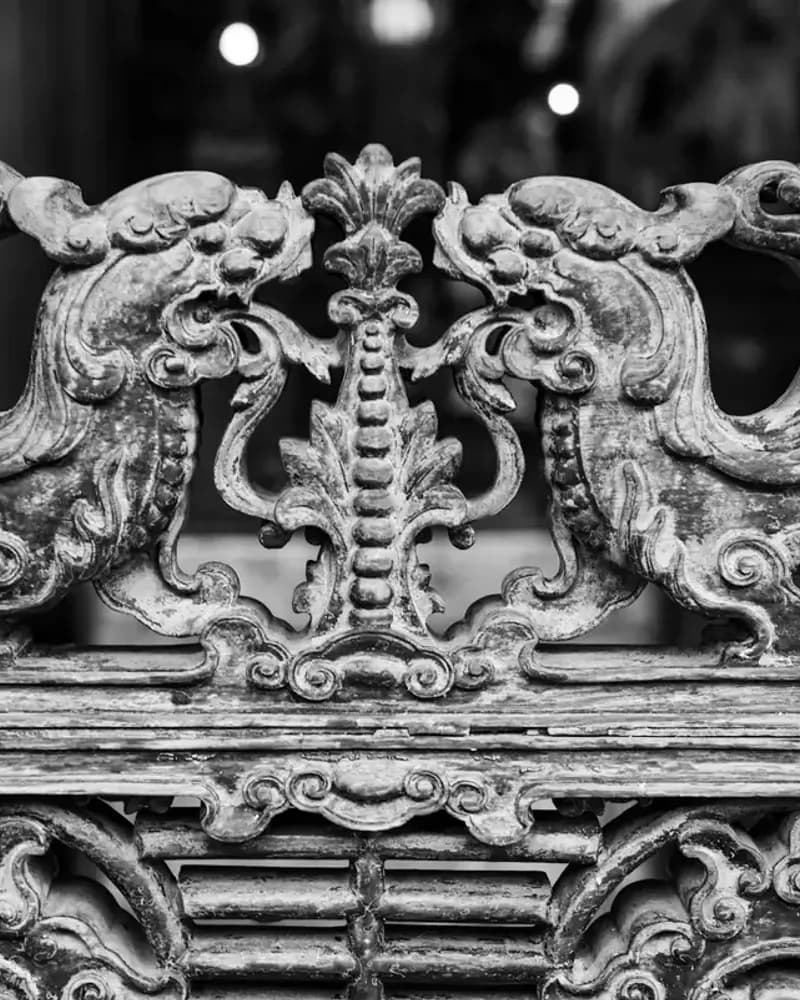
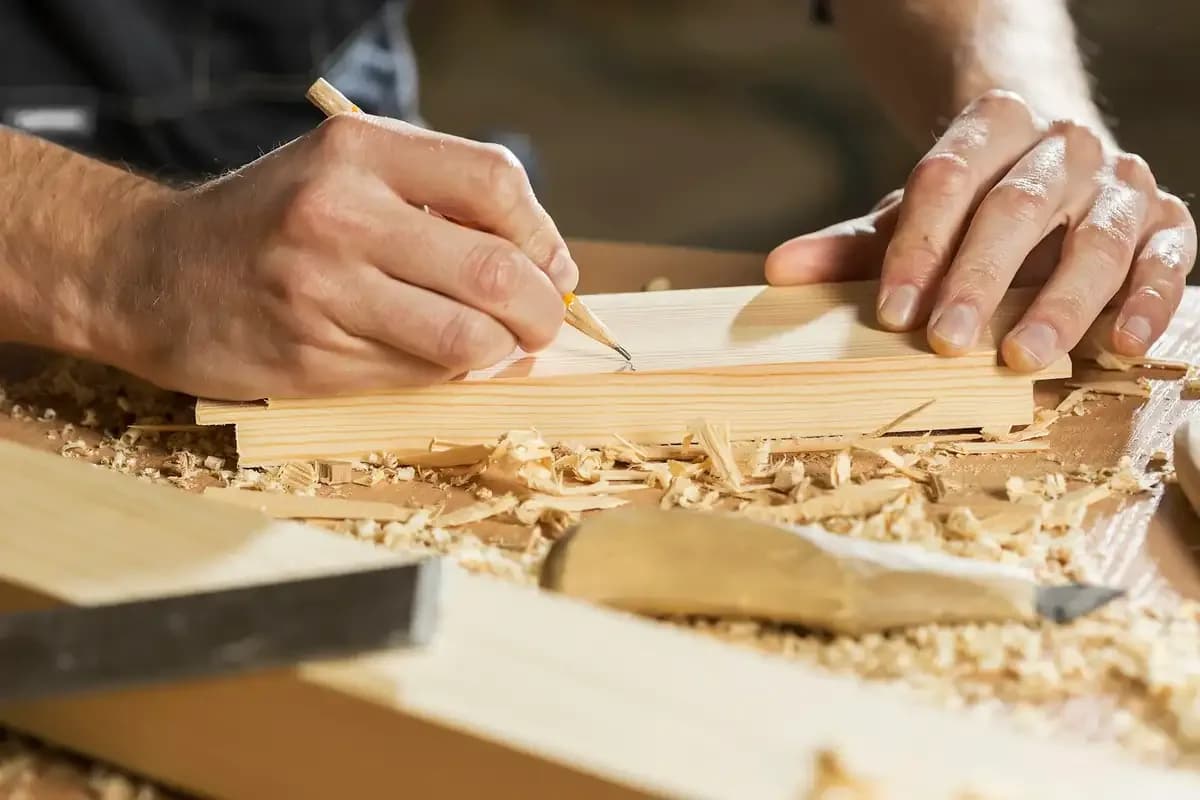
Before Malayer was known for furniture, it was a town of carpenters and woodcarvers. Relief carving — cutting raised designs into wood by hand with chisels — has a long history here, and the region's carved doors, windows and chests were well known. Malayer has been registered as a World City of Wood Carving by the World Crafts Council.
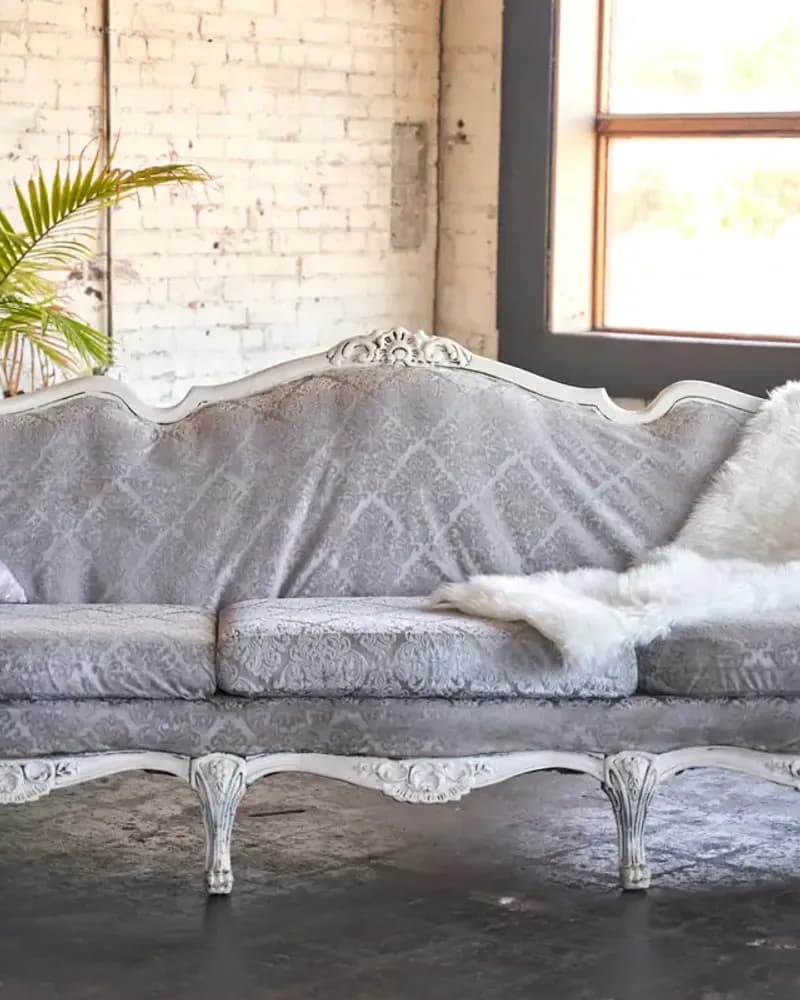
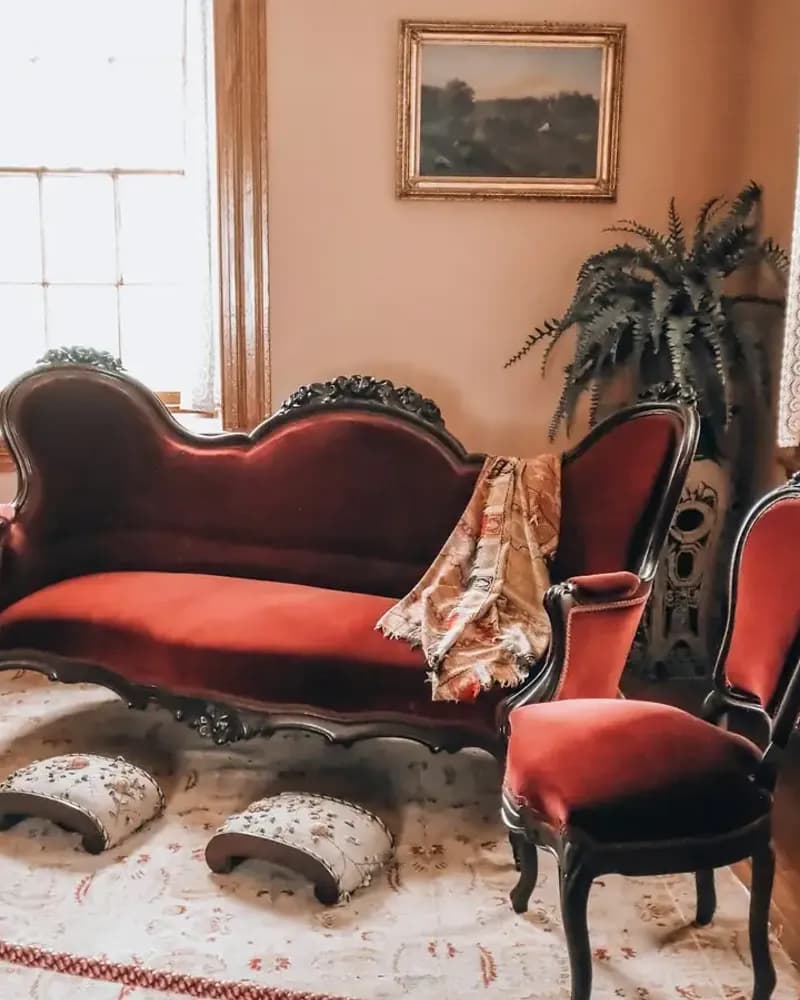
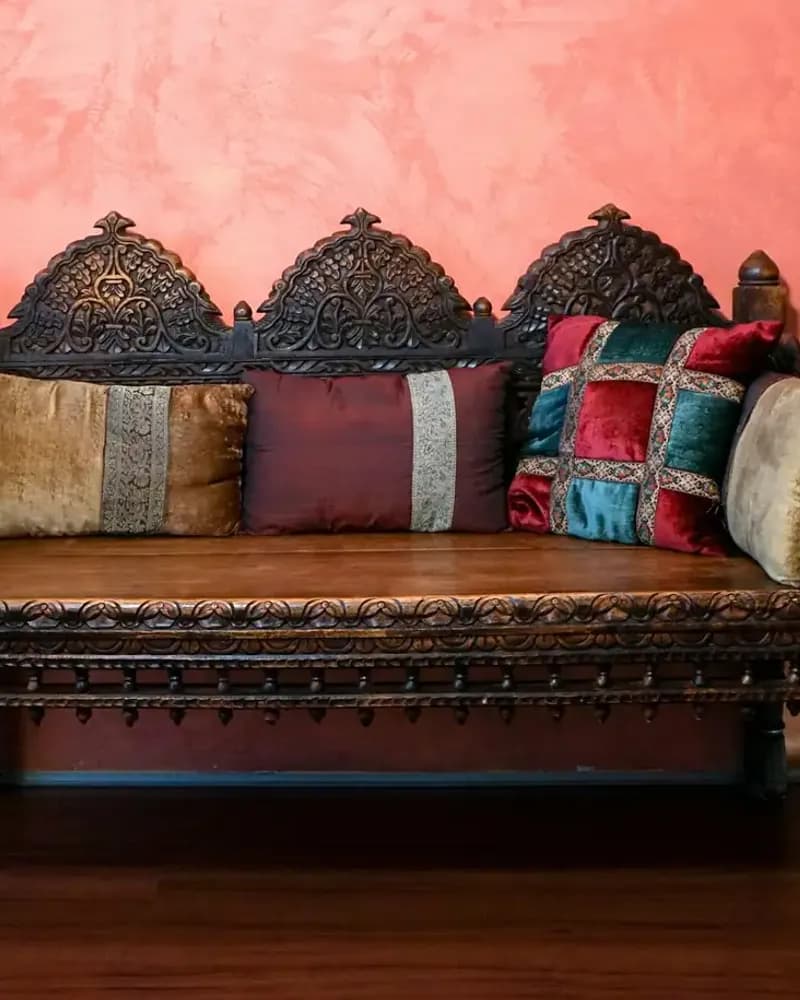
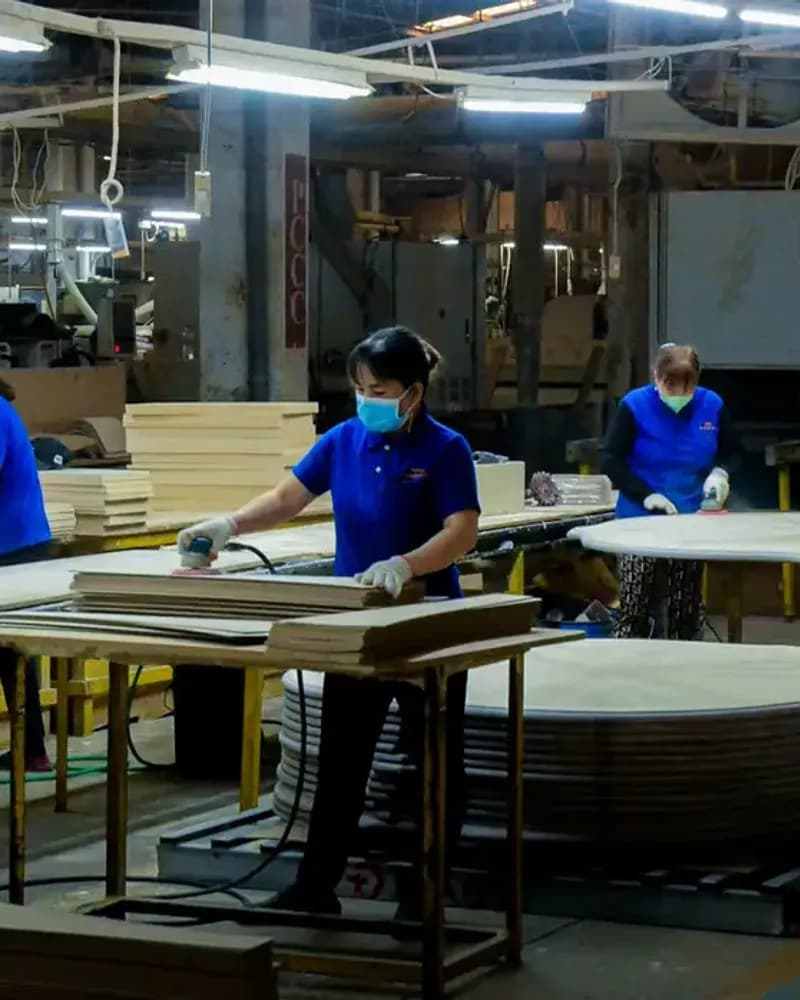
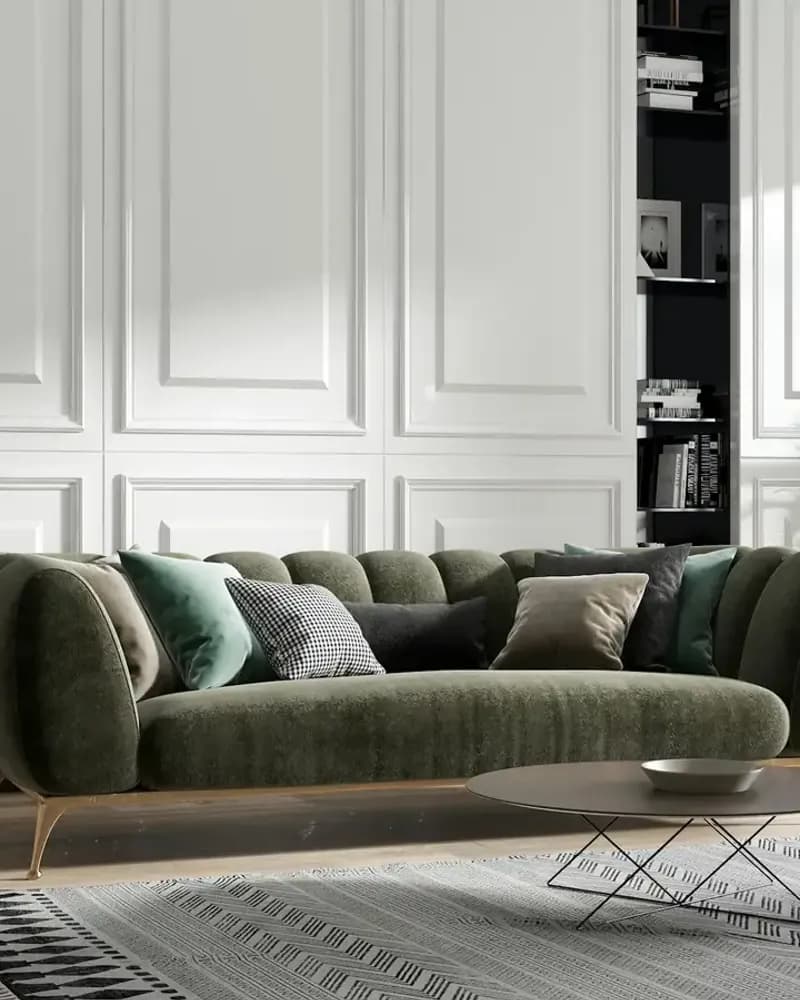
When demand for new-style furniture grew in Iranian homes, these craftsmen brought their skills to classic sofas. The classic style, with fine carving on frames and legs, was exactly where Malayer's traditional art could shine — which is why many of Iran's finest classic and royal sofas still come from Malayer's workshops. Over time, workshops expanded into sofas, bedroom sets, dining tables and modern furniture. Today hundreds of small and large workshops operate in the town, each specialising in part of the production chain.
A complete production chain in one town
- Timber yards and kilns: supplying beech, pine and walnut and kiln-drying it.
- Frame shops: cutting and assembling wooden frames.
- Carvers: carving frames, legs and crests for classic pieces.
- Finishers: polyurethane finishes, gold and silver leaf, patina.
- Upholsterers: foam, webbing and springs, sewing and upholstery.
- Fabric and hardware suppliers: a huge range of fabric, foam and fittings.
This concentration keeps transport costs low, shortens lead times and offers enormous variety in design and fabric. Competition between workshops keeps quality high and prices reasonable.

Why is Malayer furniture more affordable?
- No middlemen: a sofa bought in a big-city showroom may have passed through several hands, each adding a margin.
- Lower overheads: workshop and showroom rents in Malayer are far below those in major cities.
- Competition: the large number of makers keeps prices competitive.
- Access to materials: a local supply chain reduces material transport costs.
Lower price doesn't mean lower quality — Malayer has both cheap furniture and luxurious, long-lasting pieces. The difference is knowing how to judge quality, which we explain in signs of a quality sofa.
How to recognise genuine Malayer furniture
The Malayer name is sometimes used to sell furniture that has nothing to do with the town. To be sure:
- Ask for the maker's full name and address, and a video call if possible.
- Request a video from the workshop or showroom in Malayer.
- Get an official invoice naming the maker and describing the goods.
- Get a written warranty with a clear term and scope.
At Mahd Mobl Iran, everything is made in our own workshops in Malayer and shipped with an official invoice and warranty.
Buying from Malayer when you live elsewhere
You no longer need to travel to Malayer to buy its furniture. Choose a product online, see its specifications, fabric and colour, ask our consultants for a real video, place your order and pay — and the furniture is packed in multiple protective layers and delivered to your door by trusted freight carriers. Delivery times and costs for every province are on our shipping page.
How a sofa is made in Malayer, step by step
- Drying the wood: beech and pine are kiln-dried for several days to the right moisture level, preventing warping and creaking later.
- Cutting and assembling the frame: parts are cut to precise templates and joined with glue, mitred blocks and screws; corners are reinforced.
- Webbing and springs: sinuous springs and Italian webbing are fitted at set spacing so the seat is both soft and supportive.
- Foam: cold-cure foam is cut and layered onto the frame, then wrapped in fibre for a soft surface.
- Cutting and sewing fabric: fabric is cut to pattern and seams, piping and cushions are sewn.
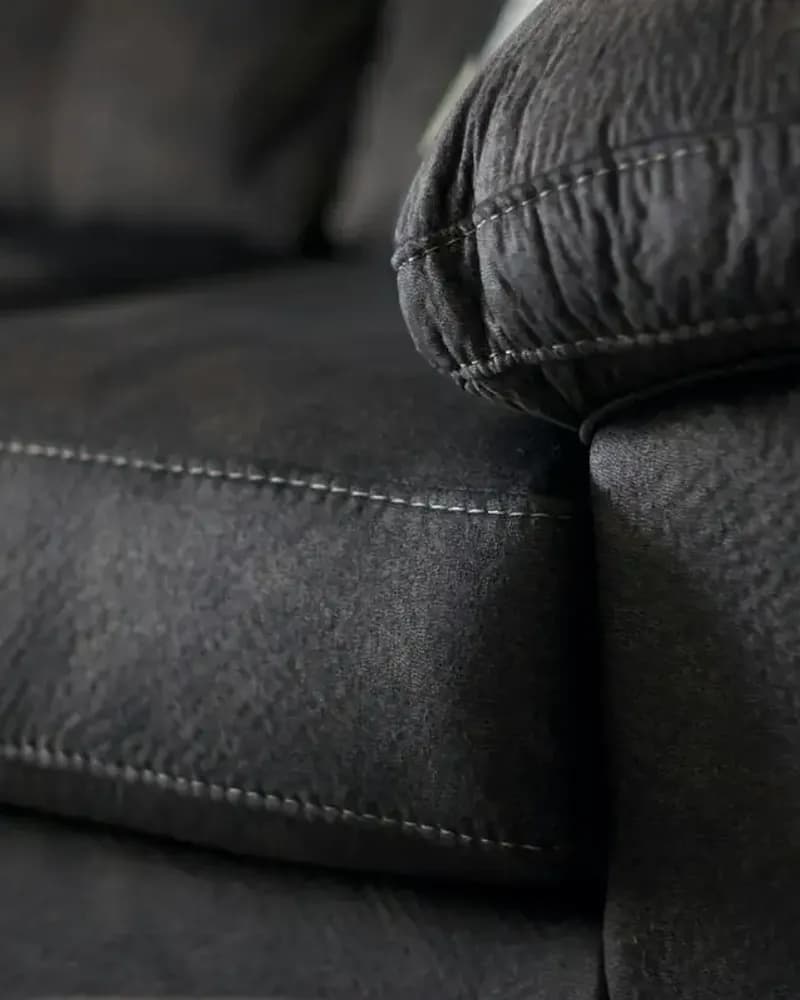
- Upholstery: the upholsterer stretches and staples the fabric evenly — a skill that takes years to master.
- Quality control and packing: each sofa is checked for seams, symmetry, noise and stability, then wrapped in foam, bubble wrap and cardboard.
Classic pieces add carving and finishing stages that can take several weeks.
The best time to buy
Wedding season (late spring and summer) and the months before Nowruz are the busiest in Malayer's furniture market, with longer lead times. If you're not in a hurry, late summer and autumn bring shorter delivery times and more room for custom orders.
Malayer, wholesale and export
Furniture retailers across Iran and buyers from abroad — especially Iraq — source much of their stock from Malayer. If you're a retailer, see furniture wholesale and buying furniture wholesale. Buyers in Iraq can read about shipping and payment on our Iranian furniture for Iraq page.
The future of Malayer furniture
Malayer's workshops are changing: CNC machines for precise cutting, high-quality cold-cure foams, stain-resistant fabrics and modern designs — all while preserving hand carving and hand stitching. A new generation of makers understands today's homes while relying on the skills of the old masters.
Summary
Malayer has become Iran's furniture capital thanks to a rare combination of woodcarving tradition, a complete production chain, healthy competition and fair prices. If you want quality furniture at workshop prices, buying directly from Malayer is a smart choice — provided you choose a reputable maker. Read our story on the About Mahd Mobl Iran page.
Frequently asked questions
Why is Malayer called Iran’s furniture capital?
Because of its long tradition of joinery and woodcarving, the concentration of hundreds of furniture workshops, and a complete local supply chain for wood, fabric and hardware.
Is Malayer furniture cheaper?
Usually, because middlemen are removed and production and showroom costs are lower. Include delivery in your comparison.
Do I need to travel to Malayer to buy?
No. You can order online and have the furniture delivered. Ask for a real video of the product for extra confidence.
Do you ship Malayer furniture to Iraq?
Yes. See our Iranian furniture for Iraq page for how shipping and payment work.
Tags:Malayer furnitureIranian furniturehandmade Persian furniture
Mahd Mobl editorial team
Sales and design specialists at Mahd Mobl Iran
Articles are written by our sales, design and workshop team, drawing on daily experience making furniture in Malayer and real questions from customers.